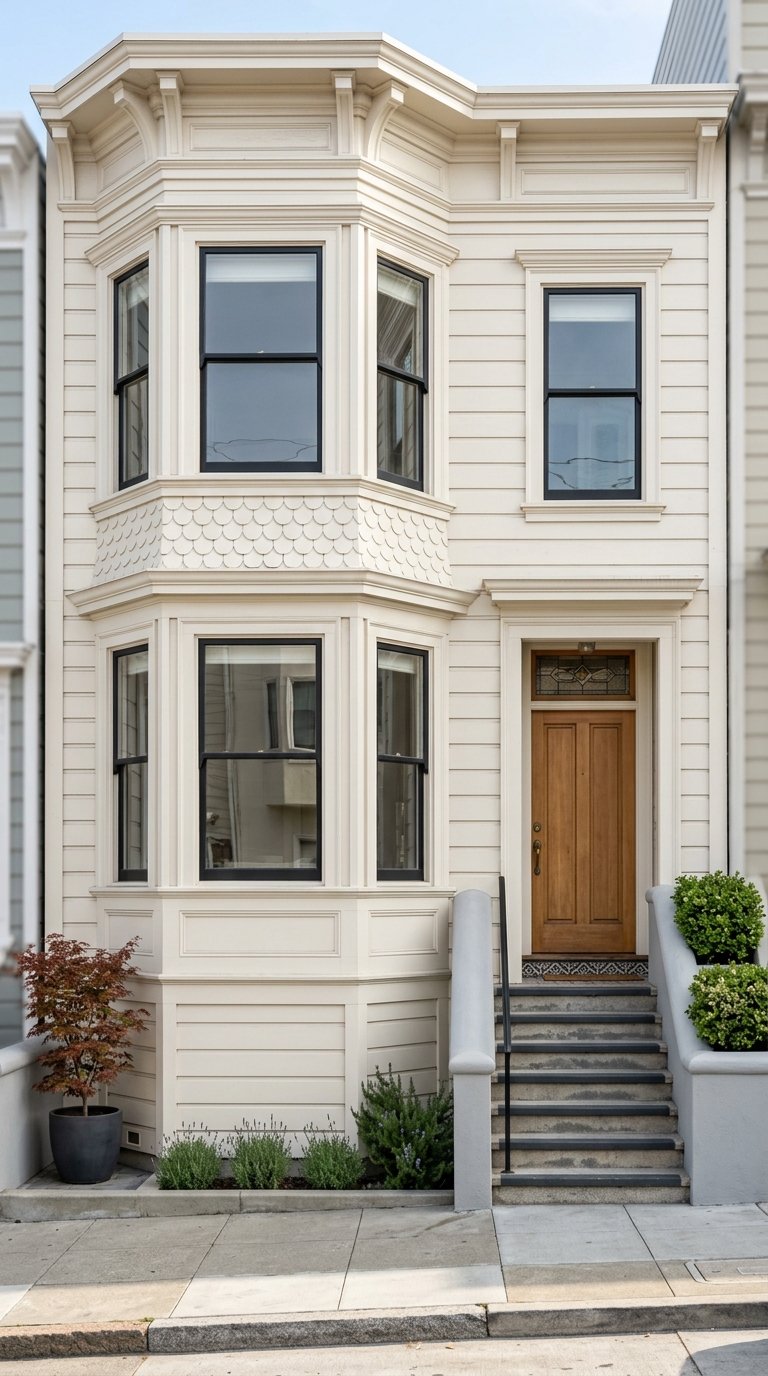
Looking for historic charm in San Francisco that still feels lived-in, layered, and real? Liberty Hill stands out for exactly that reason. If you are drawn to classic architecture, period details, and the character of older homes, this small historic district offers a rare chance to experience Victorian San Francisco with some Edwardian-era overlap. In this guide, you will learn what defines Victorian and Edwardian homes in Liberty Hill, what buyers and sellers should notice, and how historic rules can shape your next move. Let’s dive in.
Why Liberty Hill Feels Distinct
Liberty Hill is an official San Francisco Article 10 Historic District, bounded by 20th Street, Mission Street, Dolores Street, and 22nd Street. According to San Francisco Planning, it is one of the city’s earliest residential suburbs and an intact representation of 19th-century middle-class housing.
That intact feel is part of what makes the neighborhood so compelling. The district is compact, with about 10 blocks and 298 parcels, which helps the area read as a unified streetscape rather than a patchwork of unrelated buildings, as described in the Liberty Hill walking tour.
Another key reason Liberty Hill feels special is timing. The district developed from the 1860s through the turn of the century, and because the 1906 fire stopped at 20th Street, the area still includes both pre-1906 homes and later reconstruction-era buildings. That gives you a layered architectural story that is hard to find in many San Francisco neighborhoods.
Victorian Homes Define Liberty Hill
If you are house hunting here, it helps to know that Liberty Hill is primarily a Victorian district. The city’s designation materials state that about 70% of the district’s buildings are Victorian, with Italianate, Stick, and Queen Anne as the dominant styles, according to the district materials.
That means when people talk about Liberty Hill’s historic charm, they are usually talking about Victorian architecture first. Edwardian buildings are part of the story, but they are not the main event. For most buyers, that distinction matters because it shapes what you are likely to see on the street and inside the homes.
The neighborhood also includes a wide mix of building types. You will find smaller workingman’s cottages on Lexington and San Carlos Streets, individually built houses on Liberty and Fair Oaks Streets, and some mixed-use buildings as well. That range helps explain why one Liberty Hill home may feel compact and efficient while another feels more custom and expressive.
How To Spot Victorian Styles
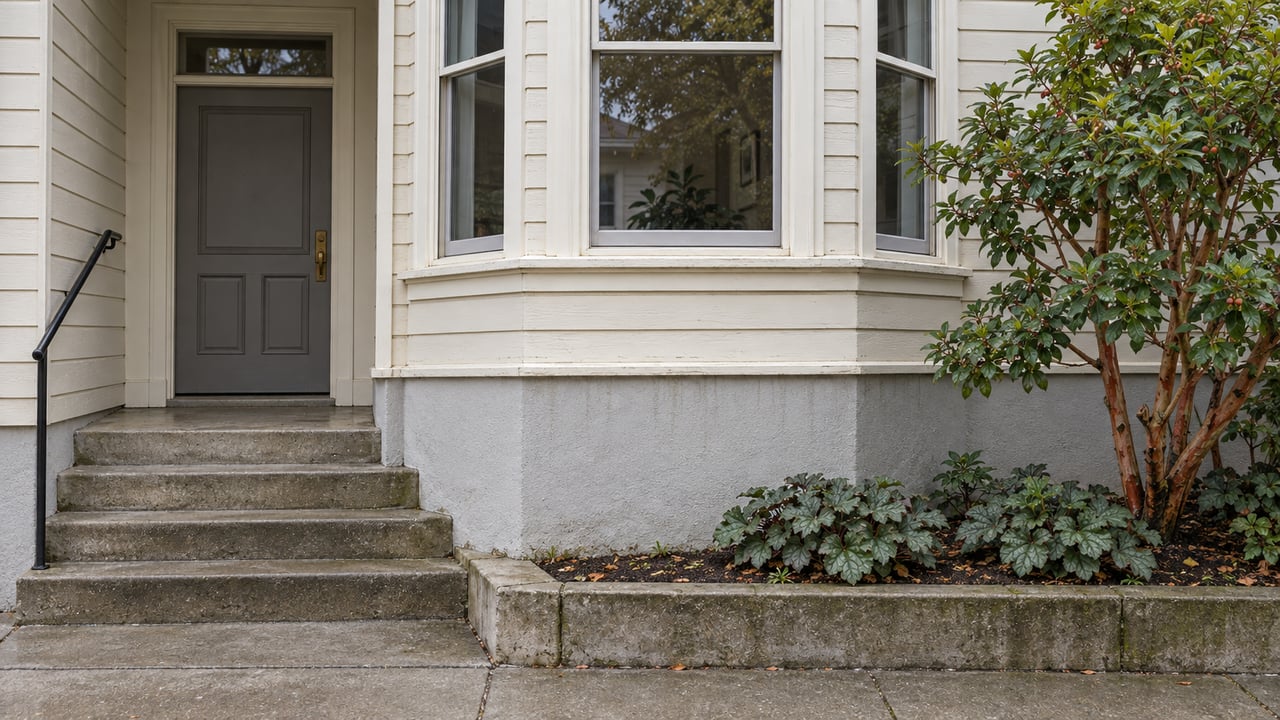
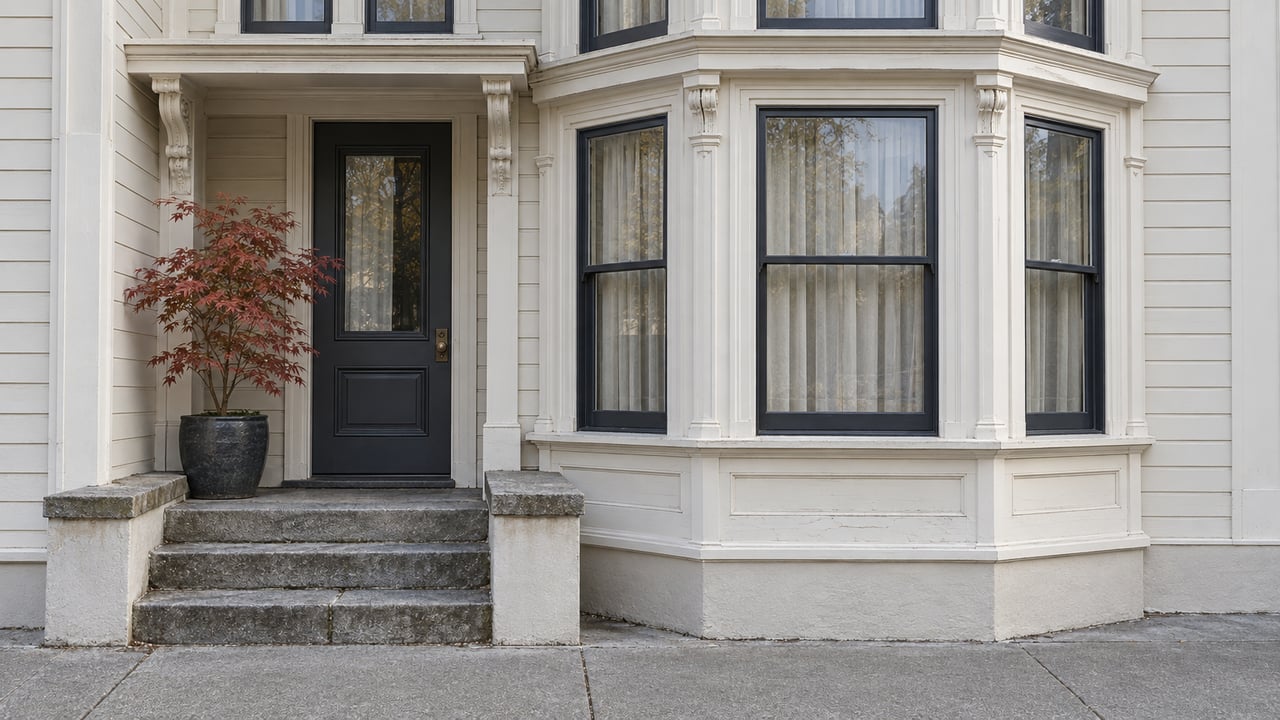
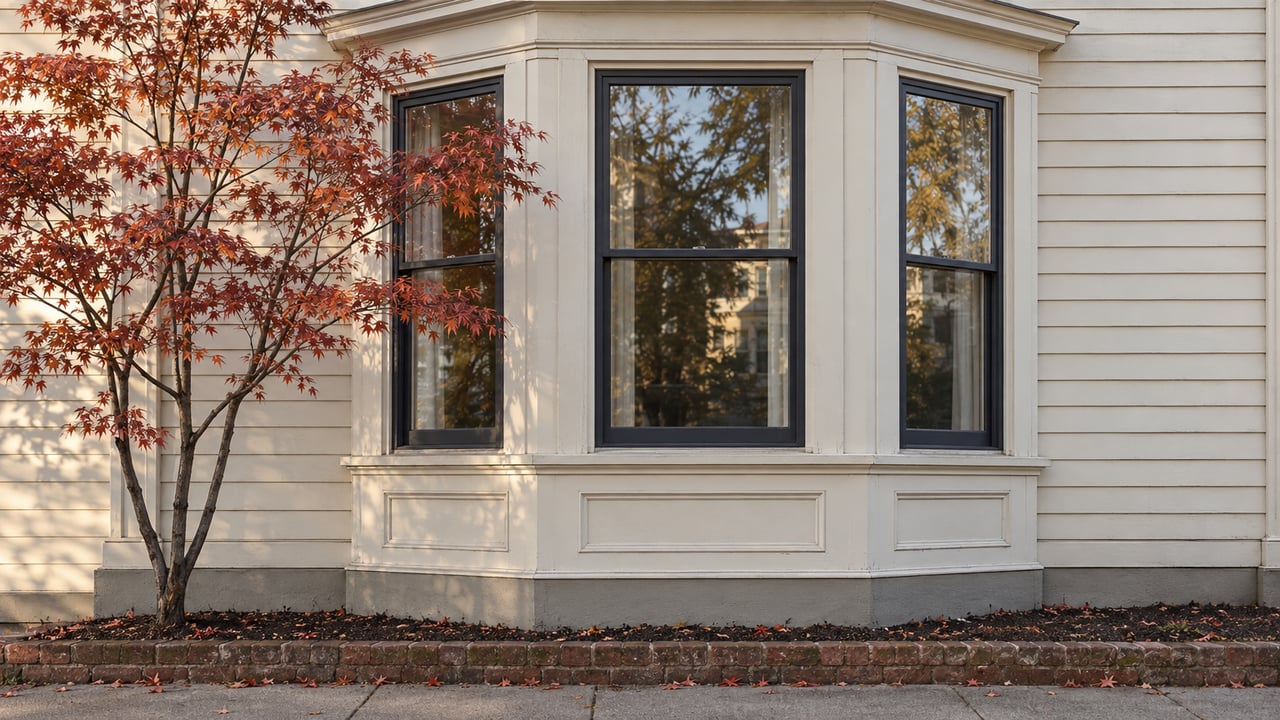
Victorian homes in Liberty Hill are best understood by their details. Rooflines, bay windows, trim, porches, and ornament often tell you more than the overall shape of the house.
Italianate Details
Italianate homes often feature tall, narrow windows, bracketed or heavily molded cornices, and low or flat rooflines. The National Park Service overview of Italianate architecture aligns closely with the examples highlighted in Liberty Hill.
When you walk the neighborhood, look for classical porch details and strong cornice lines. These homes often feel elegant and orderly from the street, even when they are modest in scale.
Stick Style Details
Stick-style homes bring more surface texture and visible wood detailing. In Liberty Hill, these homes may include gabled bays, board-and-batten ornament, and decorative trusses, as noted in the walking tour guide.
This style can feel more graphic and linear than Italianate. If you notice a façade with strong pattern, layered trim, and a more expressive roofline, you may be looking at a Stick-style home.
Queen Anne Details
Queen Anne homes tend to be more playful and asymmetrical. Features may include turrets, wraparound porches, mixed exterior materials, spindlework, and stained or multi-pane windows, according to the National Park Service guide to Queen Anne architecture.
In Liberty Hill, Queen Anne homes often stand out quickly because of their energy and variety. They can feel more decorative and less restrained than other Victorian styles nearby.
Where Edwardian Homes Fit In
Edwardian homes are part of the Liberty Hill story, but in a more limited way. In San Francisco, Edwardian buildings are generally more restrained than late Victorian homes and are often treated locally as a vernacular form of Classical Revival, according to SF Planning materials.
Typical Edwardian features include wide angled or round bay windows, flat roofs, bulky cornices, and recessed or columned entries. In Liberty Hill, these later-period forms show up most clearly in reconstruction-era or mixed-use buildings rather than in the district’s core Victorian rowhouse fabric.
For buyers, the practical takeaway is simple: Liberty Hill is not a single-style neighborhood. It is a layered district where later Edwardian forms sit alongside earlier Victorian homes, and that contrast is part of the appeal.
What Buyers May See Inside
There is no single Liberty Hill floor plan. The district includes cottages, rowhouses, larger custom homes, flats, and mixed-use buildings, so layouts can vary quite a bit.
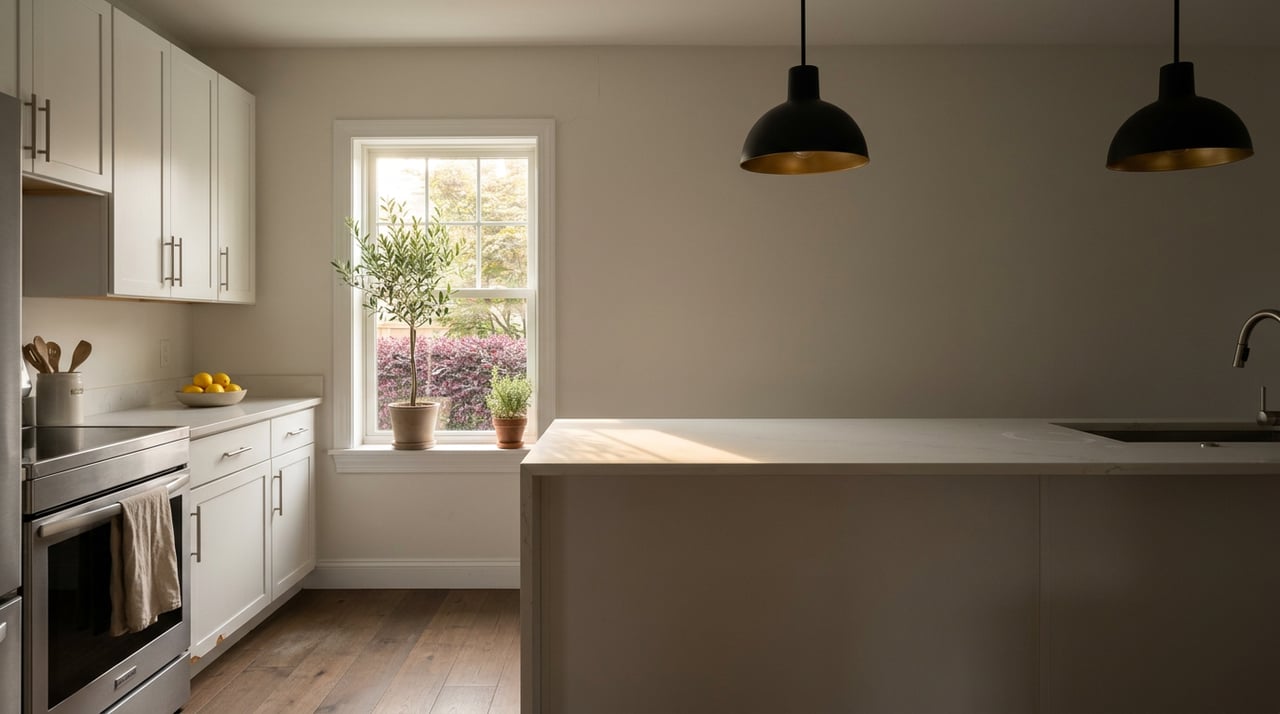
Still, some broad patterns are helpful. Based on the documented building types in the district, many homes prioritize narrow-lot efficiency, vertical circulation, and a strong street-facing façade rhythm over today’s open-plan layout expectations.
Rowhouses And Cottages
Smaller cottages and rowhouses often suggest narrower, more vertically stacked interiors. Rooms may be arranged in a linear way, and stairs can play a bigger role in how the home lives day to day.
For some buyers, that is part of the charm. For others, it is a reminder that historic homes often ask you to value character and craftsmanship alongside layout flexibility.
Flats And Multi-Unit Buildings
In San Francisco more broadly, flats are commonly two- to four-story buildings with one unit per floor and separate entrances. The SF Planning survey materials also describe common flat types, including double flats with two through-units on a single floor and Edwardian-era flats with recessed entrances.
If you are considering a multi-unit building or condo conversion opportunity, understanding these structural patterns can help you evaluate circulation, privacy, and remodeling potential.
Mixed-Use Buildings On Valencia
Valencia Street has historically served as the area’s main north-south corridor, linking neighborhood commerce and transit. The walking tour notes that mixed-use buildings along Valencia typically include ground-level retail with apartments above.
That means these properties function differently from traditional single-family homes. If you are exploring one, you should expect a more vertical mixed-use plan and a different ownership or investment lens.
What Historic Rules Mean For Owners
Owning in Liberty Hill comes with both responsibility and opportunity. Because it is an Article 10 Historic District, exterior alterations that require a permit generally also require a Certificate of Appropriateness or an Administrative Certificate of Appropriateness, according to SF Planning’s preservation guidance.
Routine maintenance and in-kind repairs usually do not require a COA, but visible changes may still trigger review. For buyers, this is an important part of due diligence. For sellers, it is a reminder that past updates and future plans should be evaluated carefully.
Windows Matter
Window replacement is one of the most important issues in historic districts. SF Planning’s window replacement guidance states that a building permit is required for all window replacement citywide, and visible replacements receive added Planning review.
The city strongly encourages repair over replacement when possible. When replacement is approved on sensitive properties, historically compatible wood-sash windows are generally preferred over vinyl or aluminum.
Additions And Garages Need Careful Review
Additions and garages can have a major impact on a historic façade. SF Planning notes that new garages may affect important features such as front setbacks, bay windows, porches, and historic fences, while vertical and horizontal additions must meet both residential design rules and preservation standards.
The Liberty Hill ordinance also flags visible exterior elements such as awnings, retaining walls, fences, balustrades, security gates, and masonry treatment. New construction should reflect the district’s scale, entrance detailing, window pattern, façade rhythm, and materials, based on the district ordinance materials.
Seismic Work Is Part Of The Conversation
With older San Francisco homes, seismic and foundation work often comes up. SF Planning states that buildings may be raised for seismic retrofitting or foundation work, but proposals are reviewed case by case.
Interior remodeling is usually less regulated than exterior work, though the city encourages owners to retain historic interior features whenever possible. If you are buying with plans to update, this is where early planning can save time and stress.
How Historic Status Can Affect Value
Historic designation does not guarantee a price premium, and the research on value is mixed. Broader studies cited in the research show that historic district designation can support higher prices in some cities, while in others value growth has lagged the broader market.
For Liberty Hill, the strongest value story is not a universal pricing rule. It is scarcity, intact character, and architectural identity. The district is small, highly legible, and rich in original fabric, which can support buyer demand even as ownership costs and preservation requirements shape decision-making.
In practical terms, buyers are often paying for a specific kind of San Francisco experience here. Sellers, meanwhile, benefit when they market not just square footage, but the home’s place within a recognized historic district and the details that make it distinctive.
Why Liberty Hill Appeals To Buyers And Sellers
For buyers, Liberty Hill offers something increasingly rare: a neighborhood where the architecture still tells a clear story block by block. You can see the city’s 19th-century residential history in a compact setting, with Victorian homes leading the conversation and Edwardian buildings adding depth.
For sellers, that clarity can be a major asset. When your home sits in a district known for intact historic character, thoughtful presentation and strong neighborhood context can help buyers understand what makes the property special.
If you are thinking about buying or selling a Victorian or Edwardian home in Liberty Hill, local guidance matters. From understanding preservation review to positioning a home’s architectural details in the market, working with someone who knows San Francisco block by block can make the process much smoother. If you want tailored advice on Liberty Hill and nearby historic neighborhoods, connect with Paige Gienger.
FAQs
What makes Liberty Hill historic in San Francisco?
- Liberty Hill is an official San Francisco Article 10 Historic District recognized for its intact 19th-century middle-class housing, early suburban development pattern, and high concentration of Victorian-era buildings.
What architectural styles are most common in Liberty Hill homes?
- Victorian styles are the most common, especially Italianate, Stick, and Queen Anne, while Edwardian-era buildings appear in smaller numbers and are more common in later or mixed-use structures.
What do Edwardian homes in Liberty Hill usually look like?
- Edwardian homes in and around Liberty Hill are generally more restrained than Victorian homes and may feature flat roofs, broad bay windows, bulky cornices, and recessed or columned entries.
What should buyers know about remodeling a Liberty Hill historic home?
- Exterior changes that require permits often also require historic review, especially for visible items such as windows, garages, additions, fences, and masonry treatment.
What interior layouts are common in Liberty Hill homes?
- Buyers may see narrow-lot rowhouses, cottages, flats, and mixed-use buildings, so layouts often emphasize vertical circulation, efficient footprints, and strong street-facing façades rather than open-plan living.
Can owning a historic home in Liberty Hill affect property value?
- Historic character can support demand, but value effects vary by market, so Liberty Hill’s strongest appeal is usually its scarcity, architectural identity, and intact streetscape rather than any guaranteed premium.