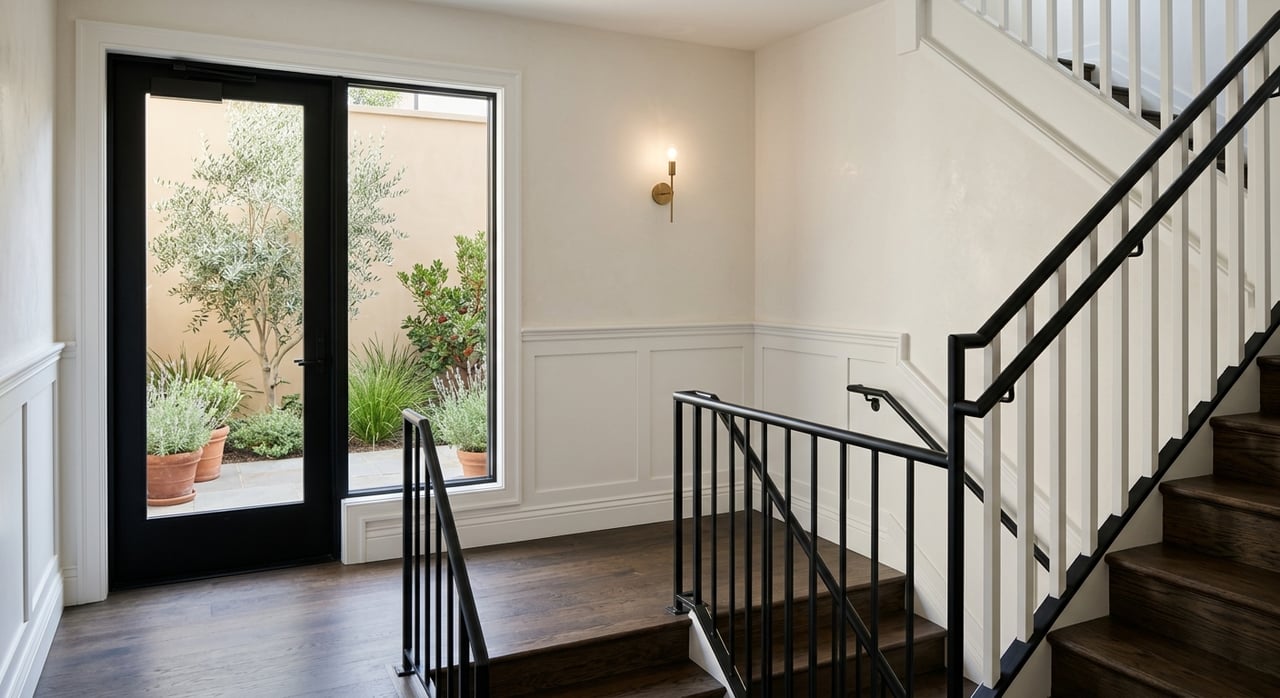
If you are thinking about buying a condo in Eureka Valley or the Castro, the neighborhood name alone will not tell you enough. In this part of San Francisco, a few blocks can change your day-to-day experience in a big way, from quiet residential streets to busy commercial corridors with late-night activity and strong transit access. This guide will help you focus on what matters most so you can compare condos with more confidence. Let’s dive in.
Understand the Local Condo Landscape
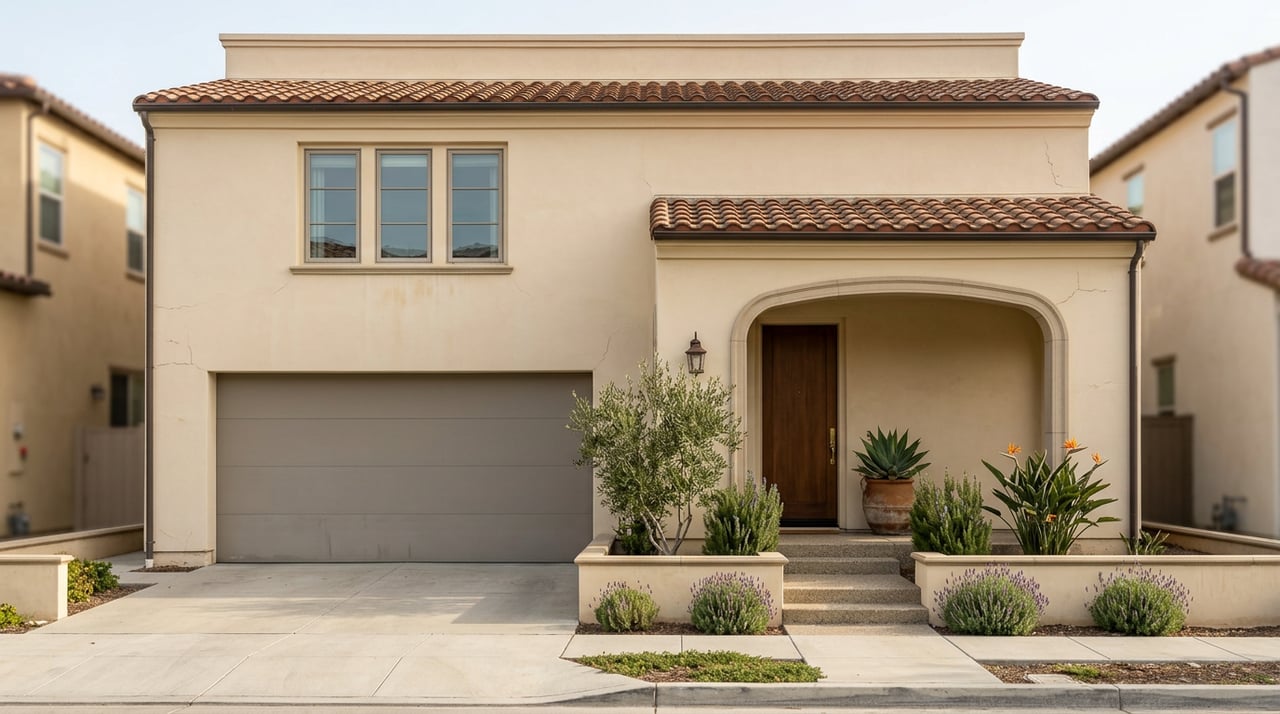
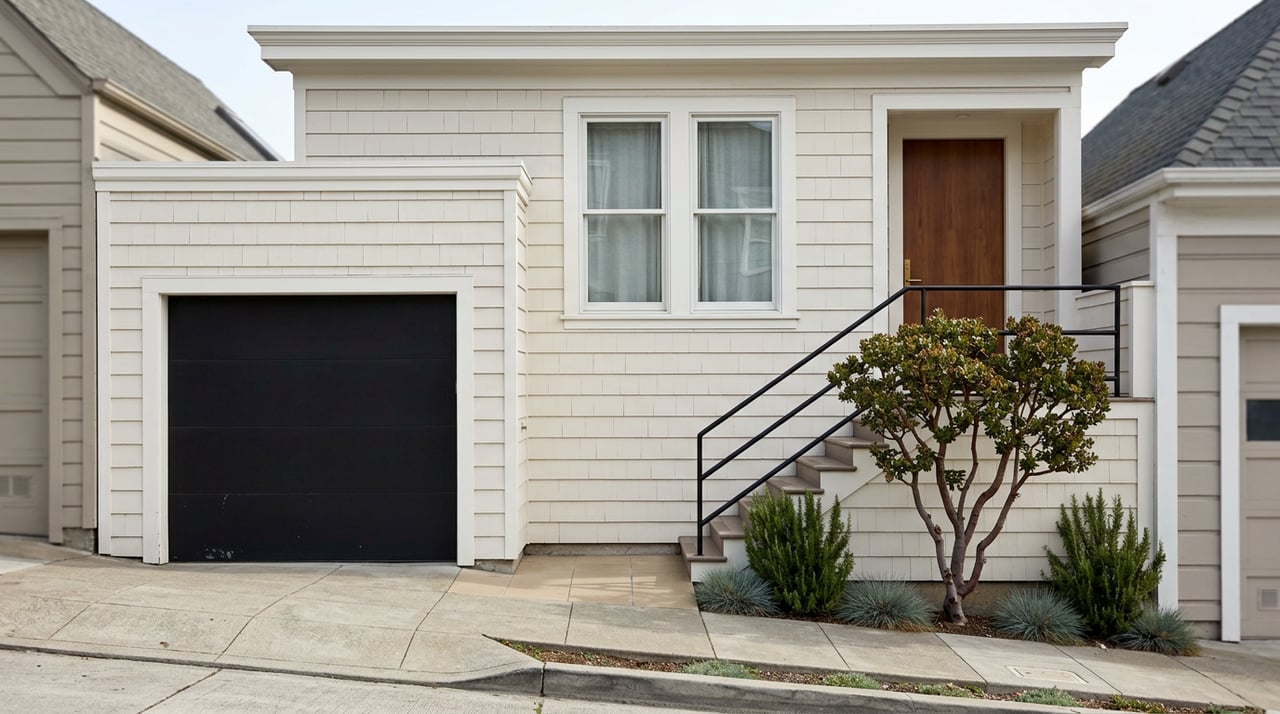
Eureka Valley and the Castro operate as one closely connected condo submarket, but the housing experience can vary a lot by location. San Francisco Planning describes Eureka Valley as including the Castro, and SFMTA groups the area under Castro / Upper Market for transportation information. That overlap matters because buyers often search by neighborhood identity, while daily life is shaped by the exact block and building.
Older housing stock is a big part of the story here. San Francisco Planning materials note that multiple-family housing began appearing in significant numbers in Eureka Valley in the 1880s, with two-flats among the earliest and most common forms. The same planning sources say apartment buildings clustered closer to transit, especially near Market Street, which helps explain why many condos in this area may be found in smaller, older buildings or condo conversions rather than large tower-style developments.
Why the Exact Block Matters
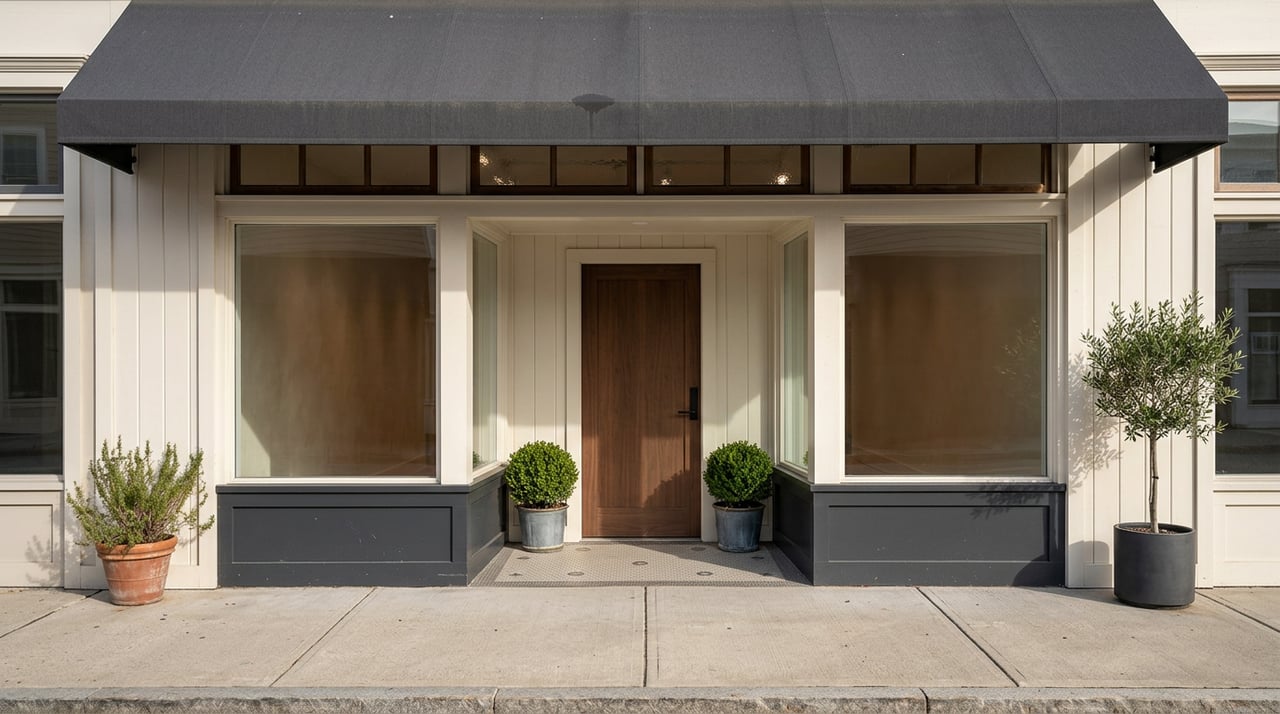
One of the biggest mistakes buyers make is assuming every condo in the Castro or Eureka Valley offers the same lifestyle. Castro Street between Market and 19th is one of the city’s best-known neighborhood commercial districts, and public streetscape improvements have made it even more active and pedestrian-oriented. Wider sidewalks, lighting, trees, bike parking, and other public upgrades support a vibrant street environment.
That is great if you want energy and easy access to shops, dining, and transit. It is less great if you want a quieter home and assume the neighborhood label tells the full story. In this area, unit orientation and street position matter just as much as square footage or finishes.
Review HOA Costs Like a Monthly Bill
When you buy a condo in California, you are buying an individual unit plus a share of the common areas. That means HOA dues are not optional background information. They are a real part of your monthly housing cost and should be treated the same way you treat your mortgage, property taxes, and insurance when you build your budget.
HOA dues can vary widely from building to building. If dues go unpaid, the consequences can be serious, including collection efforts and even foreclosure. As you compare condos in Eureka Valley and the Castro, look at the monthly dues early in the process so you do not fall in love with a home that no longer makes financial sense once the full monthly payment is clear.
Read the Disclosure Packet Carefully
For condo buyers, the disclosure packet is one of the most important parts of due diligence. California Civil Code section 4525 requires the seller to provide key HOA documents before transfer, including governing documents, the latest annual budget materials, current assessment status, unpaid amounts, and unresolved violation notices. These records can tell you far more about the building than a showing ever will.
You should also pay close attention to the annual budget report required under California Civil Code section 5300. That report includes reserve summaries, the reserve funding plan, insurance summaries, anticipated special assessments, and, when applicable, FHA and VA condominium approval status. In practical terms, this is where you may learn whether the building is financially steady or headed toward expensive surprises.
Check Reserves and Deferred Maintenance
In an older condo building, reserves deserve extra attention. California Civil Code section 5550 requires a visual inspection of major components at least once every three years, along with annual review of the reserve study. The study must identify major components with less than 30 years of useful life, estimate repair or replacement costs, and explain the reserve funding plan.
That matters in Eureka Valley and the Castro because many buildings are older. If the reserve study looks weak, or if the summary points to deferred maintenance without a clear funding plan, that can be an early warning sign. A lower purchase price may not feel like a bargain if a special assessment is around the corner.
Confirm What Comes With the Unit
Amenities and ownership structure can look simple in a listing but turn out to be more complicated in the documents. In condo projects, features like parking spaces, driveways, balconies, patios, storage areas, and roof access may be deeded, exclusive-use common area, or part of the general common area governed by the HOA. Those distinctions affect both your use rights and your long-term expectations.
Before you close, confirm exactly what you are getting. If a condo is advertised with parking, outdoor space, or storage, make sure that use is supported by the deed and HOA documents. In a dense urban neighborhood like this one, those details can have a big impact on both value and daily convenience.
Weigh Transit and Parking Together
Transit is one of the strongest advantages of buying in this area. SFMTA’s Castro / Upper Market information shows a broad mix of bus and rail service, and Castro Street is one of the underground Muni Metro stations with elevator access from street to concourse and concourse to platform. For buyers who want a car-light lifestyle, this part of San Francisco can be very workable.
That said, parking should never be assumed. SFMTA’s Residential Parking Permit program works on a block-level basis, not a neighborhood-wide basis. A permit can exempt posted time limits in the relevant permit area, but it does not override the 72-hour maximum, meters, tow-away rules, or curb-color restrictions.
Public parking options exist, but they are limited. SFMTA lists two neighborhood garages or lots in Castro / Upper Market, yet neither functions like long-term monthly parking, and one does not allow overnight parking. If parking matters to you, verify it in the listing, deed, and HOA documents rather than relying on the address alone.
Think Carefully About Noise
The Castro is lively by design. SFMTA describes it as a historic LGBTQ+ center with bars, shops, landmarks, the Castro Street Fair, and Pride afterparty activity. San Francisco Planning also highlights the area as a major neighborhood commercial district shaped for active street life.
That energy is part of the neighborhood’s appeal, but it also means quiet-home buyers need to be more specific in their search. A condo on an interior block or with a courtyard-facing orientation can feel very different from one facing Castro Street, Market Street, or a busy alley.
A smart step is to visit the property more than once. Since San Francisco’s noise rules differ between daytime hours and the 10 p.m. to 7 a.m. overnight period, your best real-world test is to see the block when you would actually be living there, such as a weekday evening or weekend night. That gives you a much better sense of ambient sound, pedestrian traffic, and event-related activity.
Questions to Ask Before You Offer
If your goal is a comfortable condo, not just a good-looking one, ask questions that match the realities of this submarket:
- Does the unit face Castro Street, Market Street, an alley, or an interior courtyard?
- Is the condo above retail or close to a bar entrance?
- Have the windows been upgraded for sound control?
- Is the bedroom buffered from elevator equipment, trash areas, or mechanical systems?
- Is parking deeded, exclusive-use common area, or not included at all?
- Are there signs of deferred maintenance in the building records?
- Does the HOA budget suggest any likely special assessments?
These questions can help you avoid common surprises and compare condos on more than appearance alone.
What Makes a Good Condo Choice Here
The best condo in Eureka Valley and the Castro is usually the one that balances three things well: building health, daily logistics, and noise exposure. A beautiful unit can still be the wrong fit if the HOA is underfunded, parking is unclear, or the location is louder than you expected. On the other hand, a well-run building on the right block can be a great long-term choice.
This is where local guidance matters. In a neighborhood with layered history, varied housing stock, and block-by-block differences, strong due diligence can protect both your comfort and your investment. If you want help weighing condo documents, location tradeoffs, and neighborhood fit, Paige Gienger offers thoughtful, high-touch guidance grounded in real San Francisco experience.
FAQs
What should you check in HOA documents when buying a condo in Eureka Valley or the Castro?
- Review the governing documents, annual budget, reserve summary, current assessment status, unpaid amounts, unresolved violations, insurance summary, and any anticipated special assessments.
Why does block location matter when buying a condo in the Castro?
- The area includes both lively commercial corridors and quieter residential blocks, so noise, foot traffic, and daily atmosphere can change significantly from one street to the next.
Is parking easy when buying a condo in Eureka Valley or the Castro?
- Not always. Parking is highly property-specific, residential permits are block-based, and nearby public lots do not function like guaranteed long-term monthly parking.
Are many condos in Eureka Valley and the Castro in older buildings?
- Often, yes. Planning materials indicate a long history of smaller multi-family housing forms in the area, which can mean condos in older buildings or smaller-scale conversions.
How can you tell if a condo in the Castro might be noisy?
- Check the unit’s orientation, ask whether it is above retail or near nightlife, review window upgrades, and visit the property at different times, including evenings or weekends.