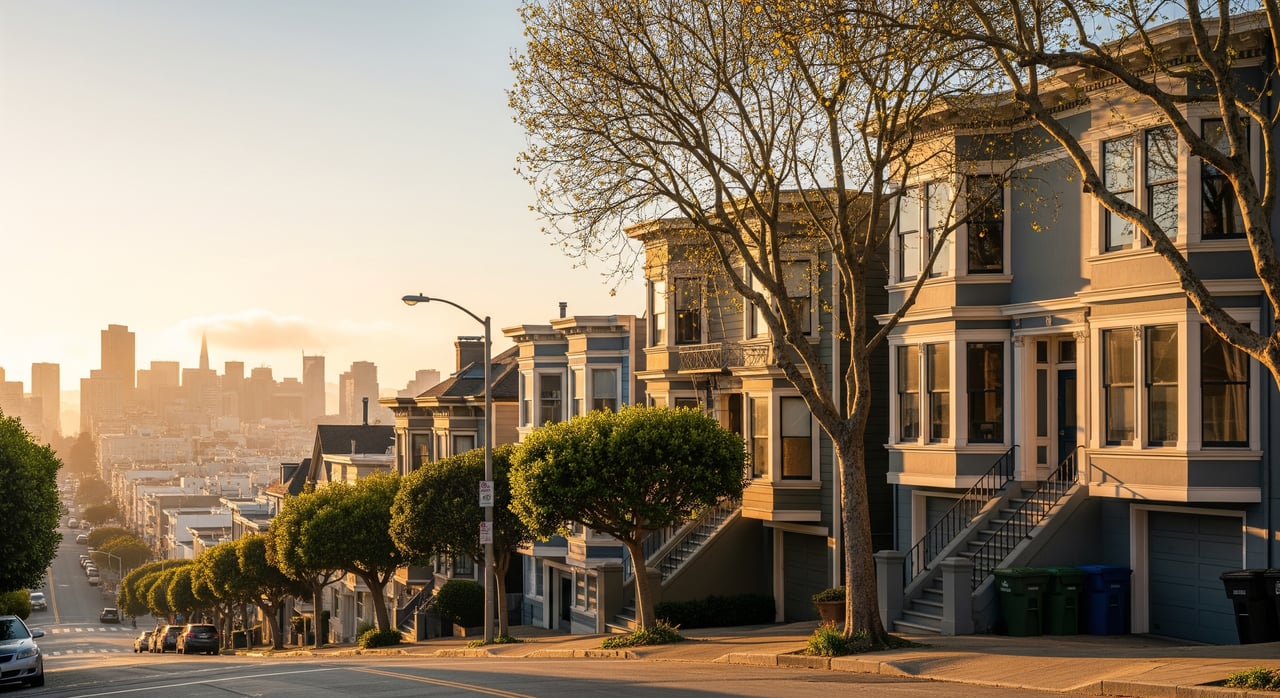
You want a neighborhood that blends historic charm with everyday ease. In Liberty Hill and Dolores Heights, you get sunlit streets, iconic Victorian and Edwardian architecture, and quick access to parks, cafés, and transit. This guide shows you what it is like to live here, what kinds of homes you will find, and the practical details that matter when you buy or sell. Let’s dive in.
Liberty Hill at a glance
Where it sits
Liberty Hill is a small historic district in central San Francisco bounded by 20th Street, Mission Street, Dolores Street, and 22nd Street. The City designated the district in 1972. Its compact footprint places you near Dolores Park, the Mission, and the Castro.
Architectural character
You will see a tight collection of late 19th century wood frame rowhouses in styles such as Italianate, Stick or Eastlake, and Queen Anne. Most homes are two or three stories with classic bay windows, cornices, and stoops that meet the sidewalk. The result is an intact snapshot of middle class housing from the era.
What the designation means
Because Liberty Hill is a designated historic district, exterior changes that affect historic character usually require permits and review through the city’s planning and preservation process. Interior updates are generally more flexible. The upside for you is a consistent streetscape and strong neighborhood identity.
Dolores Heights overview
Elevated living near the park
Dolores Heights rises west of the Mission and above Dolores Park. The area steps uphill toward the ridge that separates the Castro and Noe Valley. Many blocks feel tucked away and residential, yet you can walk to multiple commercial corridors in minutes.
Housing mix on the slopes
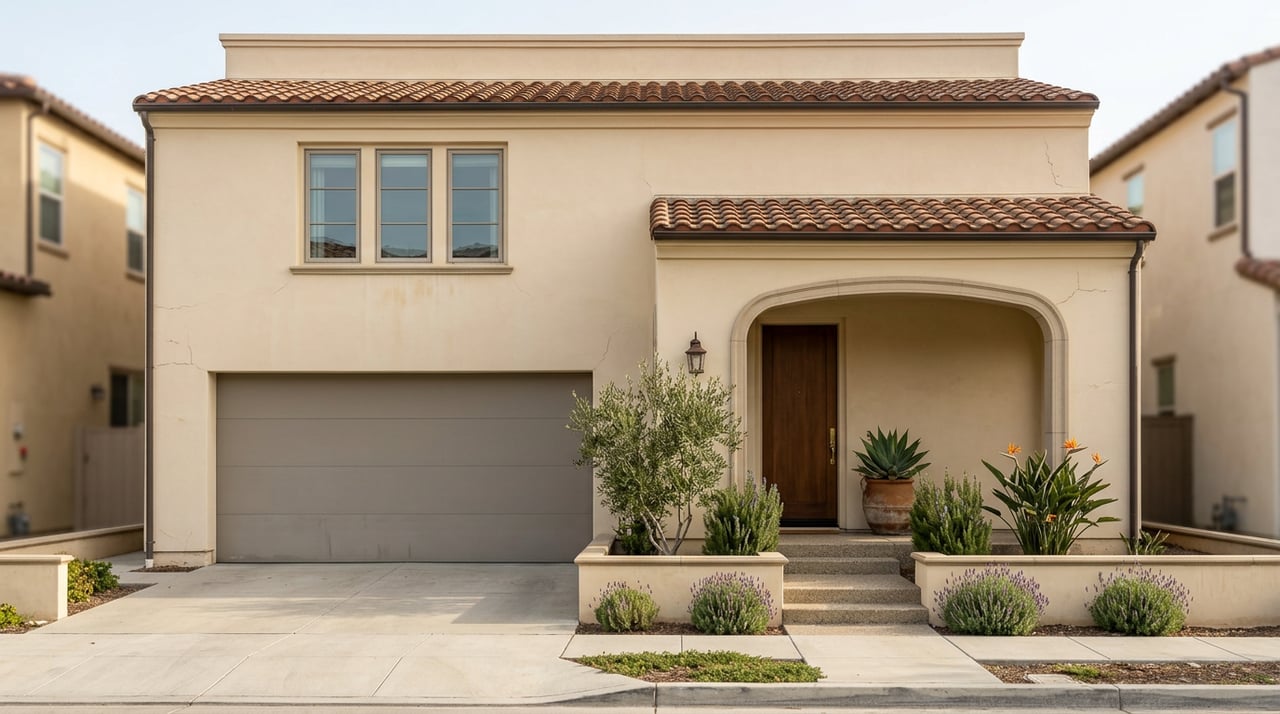
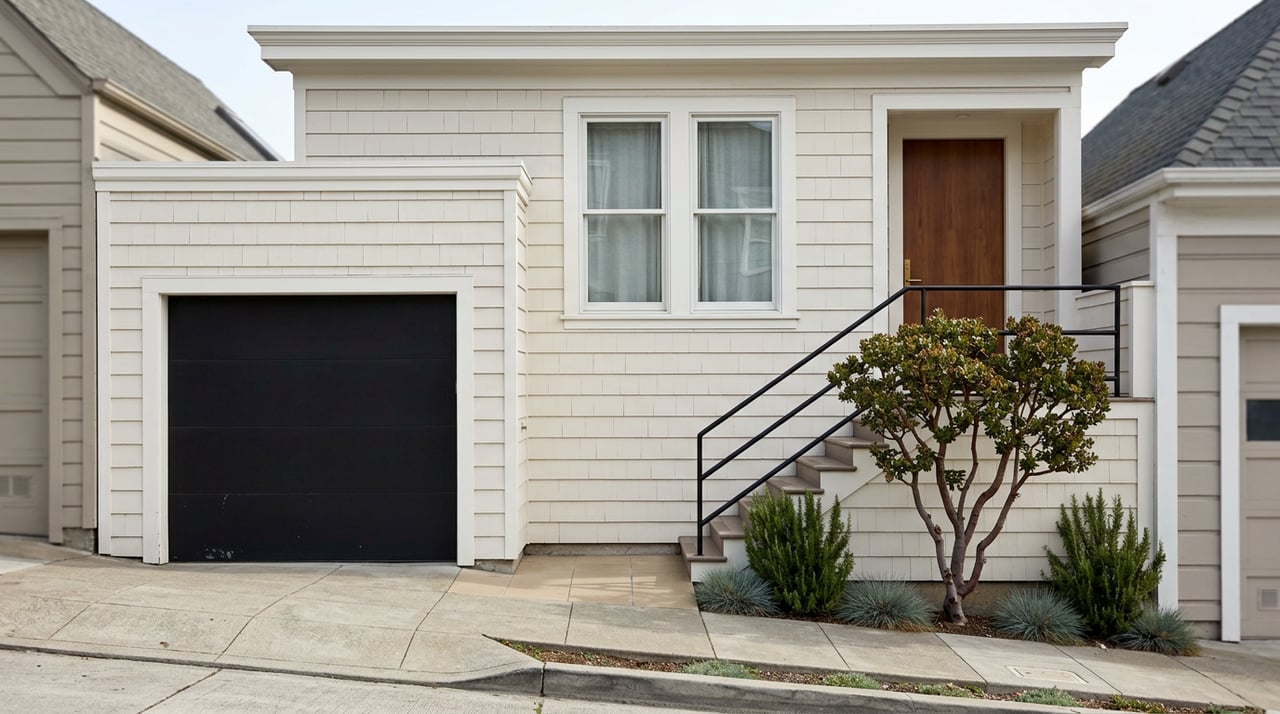
You will find small single family houses, Victorian and Edwardian homes on narrow lots, and low rise apartment buildings or converted flats from the early 20th century. Many interiors have been renovated to modern layouts while façades keep period detail.
Microclimate and views
Central and eastern parts of San Francisco tend to be warmer and sunnier than areas closer to the ocean. Liberty Hill and Dolores Heights often enjoy clear afternoons that are great for patios and window light. Higher elevation can bring soft breezes and, on some blocks, partial city or skyline views.
Daily life and amenities
Walkability and errands
You can run most errands on foot. Mission Street and Valencia Street offer coffee, bakeries, restaurants, services, and independent shops. Interior streets are quiet and tree lined, so daily walks feel relaxed even though you are close to it all.
Dolores Park as your backyard
Dolores Park is a defining amenity. It has playgrounds, tennis courts, dog areas, and big lawns for picnics with postcard city views. Weekend energy is lively, which many residents see as a plus for social life and outdoor time.
Dining and culture nearby
Valencia is known for creative dining and boutique retail. The Castro brings theaters, including the historic Castro Theatre, plus community events and services. You get multiple neighborhood personalities within a short stroll.
Getting around
Transit options
You can choose from several transit routes within walking distance. Muni Metro lines serve the Castro and Church Street corridors. Mission and Valencia host frequent bus service and connect to east west routes. BART stations at 16th Street and 24th Street Mission are a short bus ride or longer walk, giving you regional access to downtown and the East Bay.
Biking and walking
The area is highly walkable, and many residents bike. Valencia and Mission offer bike lanes, and the street grid makes short trips simple. Hills in Dolores Heights add a bit of a workout and some great views.
Driving and parking
Street parking is limited, which is typical for central San Francisco. Some blocks fall under time limits or residential permit zones. Traffic on Mission, Valencia, and Church is busier at peak hours, while interior streets are calmer but narrow.
Homes and market basics
What you will find
Common sale types include condominiums and flats in Victorian or Edwardian buildings, two to three bedroom units, small single family homes on sloped lots, and multi unit properties. Many homes blend preserved façades with updated kitchens and baths.
Price and demand
San Francisco is one of the nation’s higher priced markets. These two neighborhoods command above city median prices given location, architecture, and walkability. The best strategy is to review current comparables with your agent since inventory and pricing shift month to month.
Ownership and regulations to know
- Historic district context. In Liberty Hill, plan for permits and review when you change exterior elements like windows, trim, or cornices. This protects the district’s character and impacts timelines.
- Seismic safety. Older wood frame multi unit buildings in San Francisco may be subject to mandatory soft story retrofits. Confirm any obligations and completed work during due diligence.
- Zoning and use. Most interior streets are residential while edges near commercial corridors allow mixed uses. Always verify zoning and any overlays for a specific property.
- HOAs and building care. Condo or TIC style properties often carry monthly fees that fund maintenance, insurance, and reserves. Older buildings can have higher upkeep needs.
Buyer tips for success
- Define your must haves. Prioritize sun exposure, outdoor space, views, or proximity to a specific corridor so your search stays focused.
- Check building history. Ask for permit records, retrofit documentation, and any reports on foundations, systems, or exterior elements of significance.
- Understand HOA details. Review budgets, reserves, meeting notes, and any planned capital projects for converted flats or small associations.
- Weigh light and aspect. Microclimates vary block by block. South and west exposures can offer warmer afternoons and sunset light on the slopes.
- Plan your commute. Test walk times to Muni and BART. If you rely on a car, note garage capacity and permit parking rules on your specific block.
- Move quickly yet carefully. Desirable homes here can draw attention. Pre underwriting and a clear offer strategy help you act with confidence.
Seller tips to maximize value
- Lead with character. Stage to highlight original details like bay windows, trim, and façades. Pair period charm with clean, modern staging.
- Package the upgrades. Showcase completed kitchen or bath remodels, seismic work, and energy updates. Buyers value documented improvements.
- Market the lifestyle. Emphasize walkability, access to Dolores Park, and proximity to Mission, Valencia, and the Castro.
- Prepare disclosures early. Provide permit history, inspection reports, and any historic review notes to streamline buyer diligence.
- Elevate presentation. Professional photography, floor plans, and neighborhood context help your home stand out and justify premium pricing.
Is it the right fit for you
You might feel at home in Liberty Hill or Dolores Heights if you value classic architecture, sunny afternoons, and the ability to walk to parks, cafés, and transit. You are comfortable with limited street parking and some weekend buzz near Dolores Park. You want a central location that still feels residential on most blocks.
Work with a local guide
Every property on these blocks has a story, from preserved façades to thoughtful upgrades and microclimate quirks. You deserve an advisor who can decode those details, manage vendors and staging, and negotiate with clarity. If you are buying, selling, relocating, or planning a downsize, connect with a neighborhood specialist who has two decades of experience across central San Francisco. Reach out to Paige Gienger to talk strategy.
FAQs
What are the exact Liberty Hill boundaries
- The Liberty Hill Historic District is bounded by 20th Street, Mission Street, Dolores Street, and 22nd Street, and was designated by the City in 1972.
How does historic status affect renovations in Liberty Hill
- Exterior changes that impact historic character typically require permits and design review, while interior updates often have more flexibility.
What transit serves Liberty Hill and Dolores Heights
- You can walk to Muni Metro along the Castro and Church corridors, frequent buses on Mission and Valencia, and BART at 16th Street and 24th Street Mission.
Is parking difficult in these neighborhoods
- Street parking is limited and some areas use residential permits or time limits, so on site parking or a garage adds value where available.
What types of homes are most common here
- Expect Victorian and Edwardian flats or rowhouses, small single family homes on the slopes, and low rise apartment buildings or converted flats.
What is the microclimate like around Dolores Park
- The area is often warmer and sunnier than the west side of the city, with gentle breezes on higher blocks and regular afternoon sun for outdoor life.