If you are aiming for a home in Liberty Hill near Dolores Park, you are competing in one of San Francisco’s most precise micro-markets. A small difference in view, parking, or permitted square footage can change value in a big way. You want a confident, clean offer that gives the seller certainty without pushing you into unnecessary risk. In this guide, you will learn how to price correctly, structure smart contingencies, and prepare a sharp offer packet built for older, remodeled homes in this hillside neighborhood. Let’s dive in.
Know the Liberty Hill micro-market
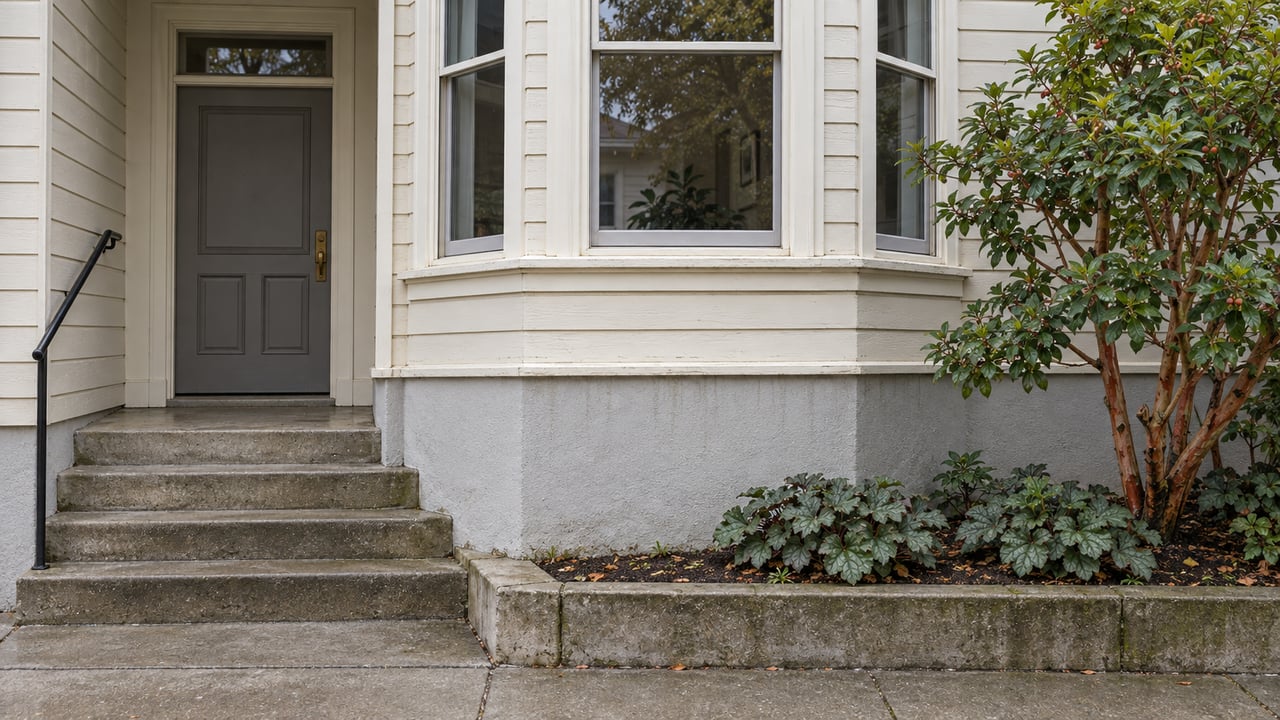
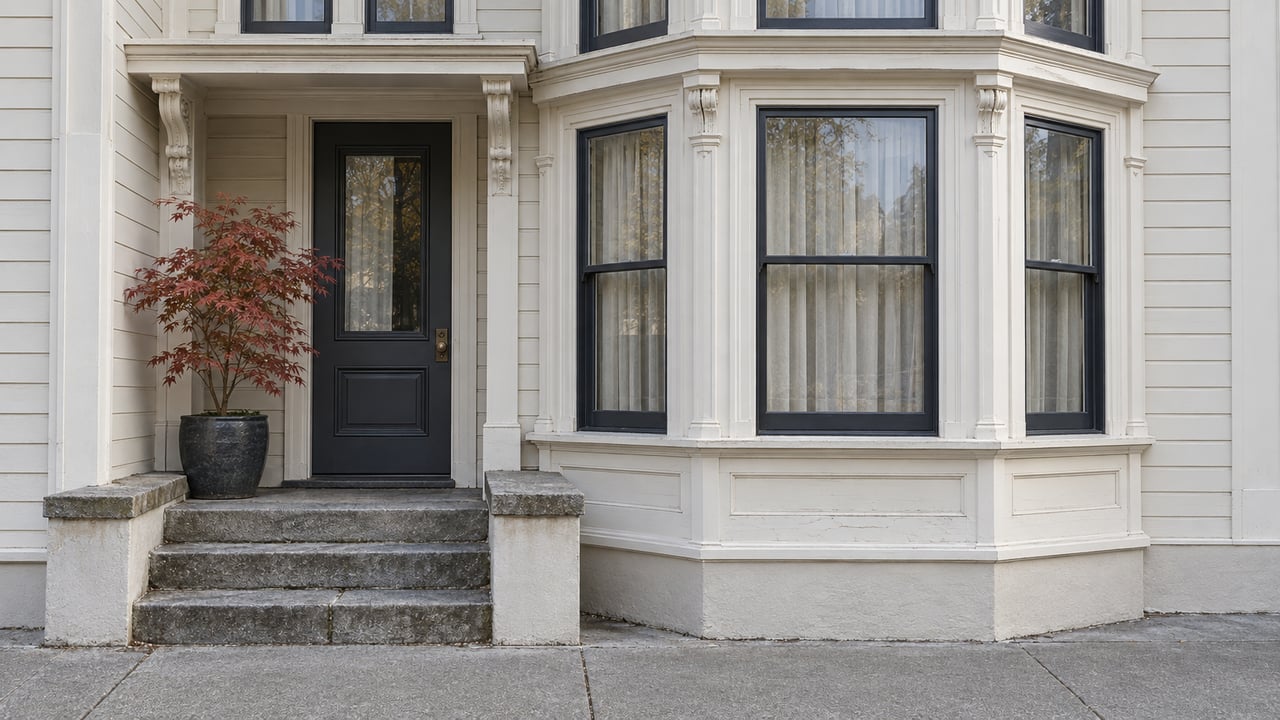
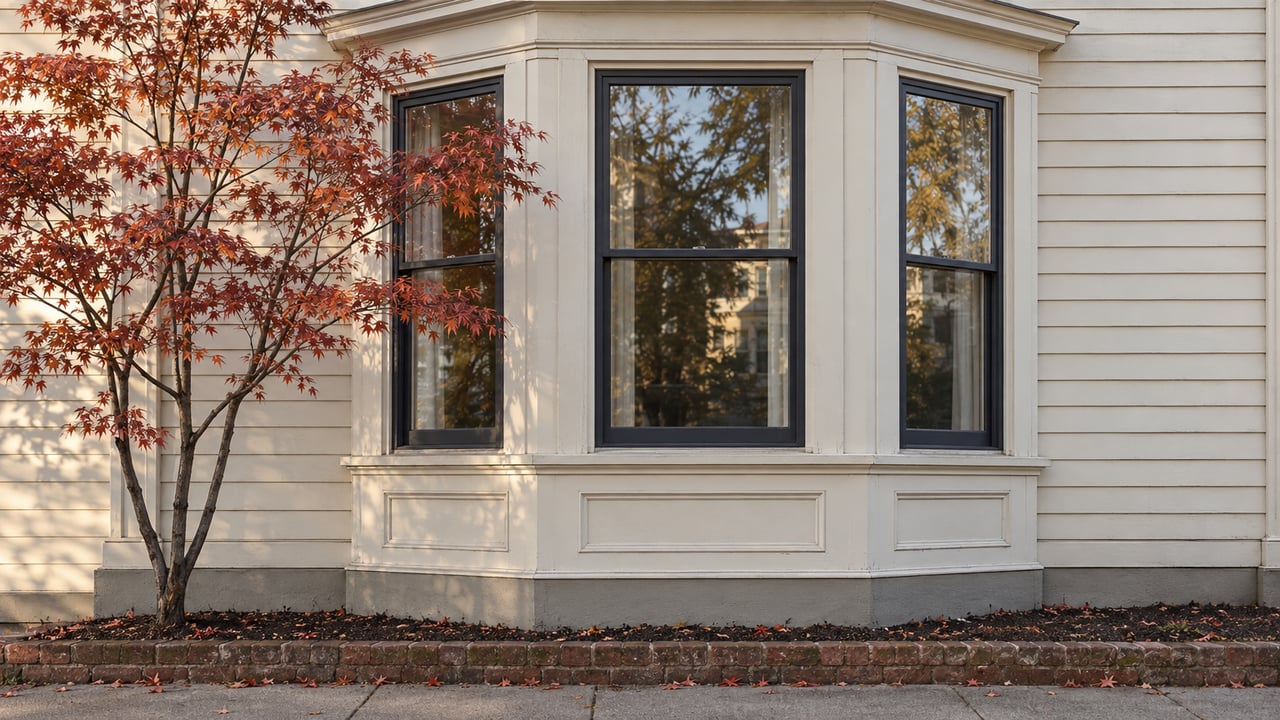
Liberty Hill and Dolores Heights are compact, walkable, and highly sought after. This area is known for Victorian and Edwardian-era homes on small lots, often on steep blocks with prized views and outdoor spaces. Inventory can run low compared to demand, which means multiple offers and quick timelines for listings that show well.
Because the market is so local, pricing and negotiations hinge on details that can shift from one block to the next. You should translate the neighborhood’s priority features into specific value adjustments when you compare properties. Key drivers include permitted square footage and unit counts, quality and scope of renovations, garage or off-street parking, view and solar exposure, usable outdoor space, and seismic or foundation condition.
Price your offer with hyperlocal comps
A strong offer starts with using the right comparable sales. In Liberty Hill, the best comp might be across the street rather than several blocks away.
Choose the right comps
- Keep comps as close as possible. Start with the same block. If needed, expand only to adjacent blocks with similar elevation, exposure, and building stock.
- Prioritize recent sales within the past 3 to 6 months. If inventory is thin, you can extend to 6 to 12 months, then account for market direction.
- Match permitted square footage, not just total advertised area. Treat any in-law or ADU space differently if it is not permitted as living area.
Adjust for what matters here
- Renovation scope and quality. Compare homes with similar updates, especially for kitchens, baths, and major systems.
- View and exposure. Document a view premium if you can find an on-block comp. If you cannot quantify the premium, include a qualitative note in your offer summary.
- Parking. A legal garage or off-street parking is a notable premium in San Francisco.
- Layout and lot. Be careful with price per square foot. In older, steep locations, lot and layout differences can distort per-square-foot math.
Read disclosures like a local
Seller disclosures are your first window into risk and value. Review them early and pair what you read with what you see on site.
Permits and square footage
- Verify permit history for major renovations and any additions or conversions. A seller may not know the full history, so confirm with city permit records.
- Compare the permit record and assessor data to the listing’s stated square footage. Meaningful gaps can signal unpermitted space that affects value, insurability, and financing.
Hazards and site risks
- Pay attention to any references to landslide, slope stability, or seismic hazards. The hillside setting makes this relevant on certain blocks.
- Use available hazard maps and city resources to confirm what you see in the disclosures.
Common older-home flags
- Look for notes on knob-and-tube or aluminum wiring, older plumbing like galvanized lines, roof age, drainage on steep lots, and any seismic bracing or foundation work.
- If the property is part of an HOA or shares elements like party walls or easements, review those documents and title items early.
Structure a competitive yet safe offer
Your goal is to signal certainty and a smooth close while keeping the protections you actually need. You can do both with thoughtful timelines and clear documentation.
Show certainty upfront
- Include a reputable lender pre-approval and proof of funds for your down payment and closing costs.
- Offer a timeline that matches the seller’s needs, such as a flexible close or short rent-back if requested.
- Use a familiar local escrow and title company so the process feels predictable for the seller’s side.
Smart contingency tactics
- Inspection contingency. Keep it, but shorten the period, often to 7 to 10 days, to show commitment. Consider a two-tier approach: general inspection quickly, then trades only if needed.
- Financing contingency. Retain it with a shortened removal period. Pair it with a strong lender letter confirming loan type and timeline.
- Appraisal contingency. Rather than waiving it fully, consider appraisal gap coverage for a defined amount or percentage. A higher down payment can help reduce appraisal concerns.
- Title and HOA review. Keep standard protections but review documents promptly so you can remove this contingency sooner if appropriate.
Financial terms that move the needle
- Earnest money. A higher deposit signals seriousness. Keep it proportionate to price and only consider partially non-refundable structures with guidance from your agent and, if needed, counsel.
- Escalation clause. This can work but may reveal your ceiling. If you use one, cap it at a level you are prepared to fund and include proof of funds for the cap.
- Credits and costs. You can offer to cover certain seller costs or adjust for credits to increase the seller’s net. Model the outcome so you know the true bottom line.
- Rent-back and flexible close. A short rent-back at market or agreed rate can be decisive when a seller needs time to move.
- Repairs. Consider an “as is” posture with full inspection rights. Limit requests to major systems or health and safety items, or propose credits in lieu of repairs to avoid post-inspection renegotiations.
Organize the offer packet
Make it easy for the seller to say yes. Provide one complete, cleanly organized package that includes:
- Cover sheet with price and a clear net-to-seller estimate for typical costs.
- Lender pre-approval, funds verification, and a simple timeline.
- A short cover note from your agent summarizing strong points like flexible closing, quick inspections, and certainty of funds.
- Optional buyer letter focused only on transaction facts. Avoid personal details that could raise fair housing concerns.
Do the historic and permit homework
Liberty Hill’s housing stock is older and often remodeled. That means permit and historic details matter to your value and to your lender and insurer.
What to investigate
- Permit history for additions, conversions, structural work, and major systems. Confirm that permitted square footage matches what is being marketed.
- Assessor and tax records for footprint and room counts. Question any major discrepancies.
- Historic or landmark status and any local overlays that can affect exterior changes.
- Utility and local compliance items such as sewer lateral condition if applicable. Know what may be required at transfer.
- Insurance and lender acceptance if the home has older systems or unconventional materials.
Ways to reduce risk
- Keep an inspection contingency for structural and pest concerns, and engage licensed trades such as roof, sewer, or foundation specialists when needed.
- If unpermitted space exists, obtain written estimates to correct or legalize, then price that into your offer or request resolution before closing.
- Consult a real estate attorney when permits, encroachments, or covenants appear complex.
Pre-offer checklist and sample timeline
Move fast without scrambling by using a simple checklist and timeline that match the pace of Liberty Hill listings.
Pre-offer checklist
- Full mortgage pre-approval or proof of funds if paying cash.
- Updated financials with a lender who can move quickly on underwriting.
- A local agent who knows Liberty Hill comps and aging-home nuances.
- Preferred title and escrow company identified and ready to open.
- Inspection plan lined up with availability inside a 5 to 10 day window.
- Your risk limits defined, such as inspection period length, appraisal gap cap, and whether you are comfortable with any non-refundable deposit after inspections.
Sample accelerated timeline
- Offer submission. Follow the seller’s instructions if there is a review date and submit on time with a complete packet.
- Inspections. Commit to general inspections within 5 to 10 days with trade follow-ups scheduled promptly.
- Financing. Plan for a shortened financing removal such as 7 to 17 days depending on your lender.
- Closing. Expect a 30 to 45 day close depending on loan type and whether any permitting or document reviews are in play.
Strategy scenarios for competitive edges
Every listing and seller is different. Use these scenarios to customize terms without stretching beyond your comfort.
- You need to stay under a ceiling but want to win. Use a capped escalation clause supported by proof of funds. Pair it with a short inspection window and flexible close.
- The seller values speed and certainty. Increase earnest money, shorten contingency periods, and offer a short rent-back if requested. Keep clear lender documentation in the packet.
- The home has older systems but appears well maintained. Keep inspections, accept the home as is for minor items, and focus any requests on health and safety or major systems only. Consider credits rather than repairs.
- Appraisal risk seems possible due to a view premium or unpermitted space nearby. Increase your down payment, include a defined appraisal gap coverage, and ensure your lender is ready with local comps.
Pulling it all together
In Liberty Hill, the right offer is precise, local, and well organized. Lead with proof of funds and a clear timeline. Keep smart, shortened contingencies rather than waiving protections outright. Price from true on-block comps and verify permits and square footage. Address the realities of older homes with targeted inspections and clear credits. When you do this, you present the certainty sellers want while protecting your long-term value.
If you want a calm, detail-driven plan for a home near Dolores Park, let’s talk through your strategy and timeline. Connect with Paige Gienger to tailor an offer that fits your goals and the neighborhood.
FAQs
What makes Liberty Hill pricing different?
- Values can shift by block due to steep topography, views, parking, and permitted square footage. Use hyperlocal comps and adjust for these details rather than relying only on price per square foot.
How should I handle an appraisal in multiple offers?
- Consider a defined appraisal gap coverage amount or increase your down payment. Avoid a full waiver unless you are ready to bring cash if the appraisal comes in low.
Should I waive my inspection to be competitive?
- Not for most buyers. Shorten the inspection period and limit repair requests to major issues or propose a credit in lieu of repairs.
What is a strong earnest money approach here?
- A higher, locally customary deposit shows commitment. Some buyers make part of it non-refundable after inspections, but only do this with guidance and a clear risk plan.
How do I verify if space is permitted?
- Compare the listing to city permit records and assessor data. Any mismatch can affect value, insurance, and lending, so confirm before you finalize your offer.