Replace a rear deck. Rebuild the stairs. Add a fire wall between two units. On most residential blocks in San Francisco, that scope of work is a routine permit pull, done in a season, forgotten by the next owner. Inside the Liberty Hill Landmark Historic District, the same project appears on a San Francisco Historic Preservation Commission hearing agenda as Case No. 2019-004933COA, where the Commission could approve or deny the request. The address on that case file is 73-75 Fair Oaks Street. The scope was modest. The process was not.
Sellers may encounter that gap during a buyer's inspection period, when a contractor or an appraiser asks for the Certificate of Appropriateness for a deck, an addition, or a window swap that never got one. The San Francisco Planning Department describes a Certificate of Appropriateness as an entitlement that runs with the property, not with the owner who filed it.
A district built to outlast the fire, not always the paperwork
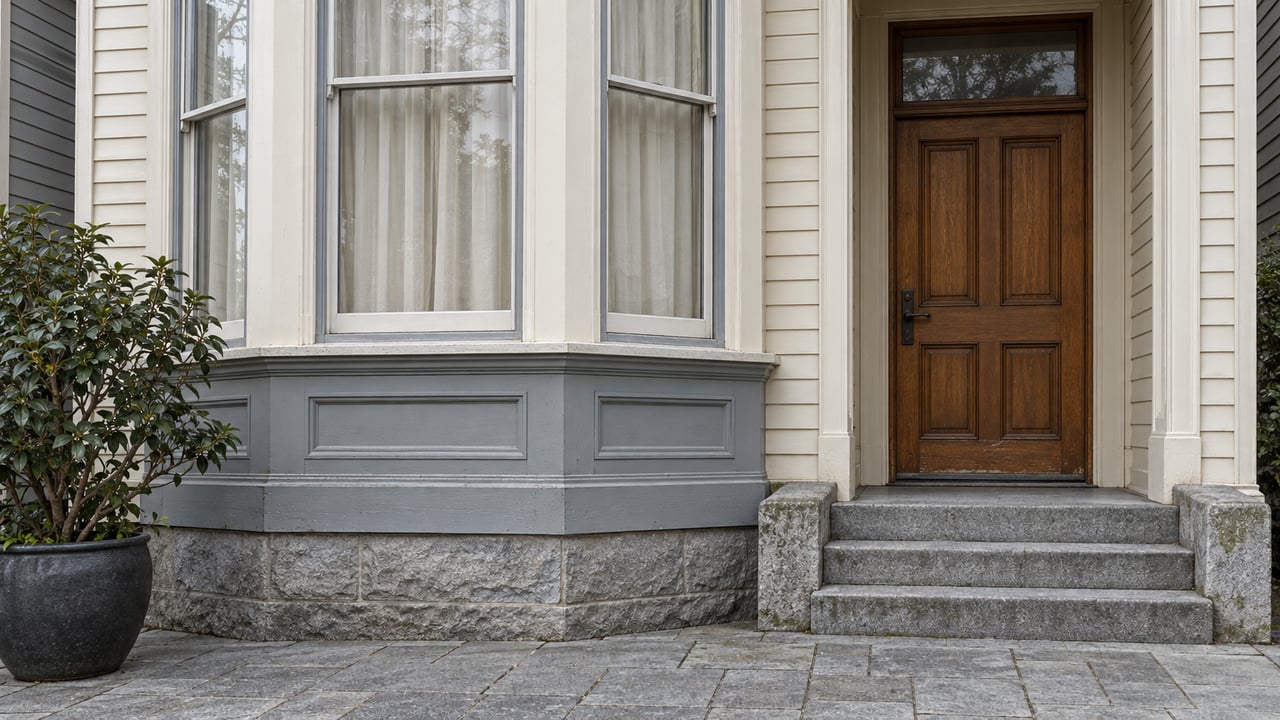
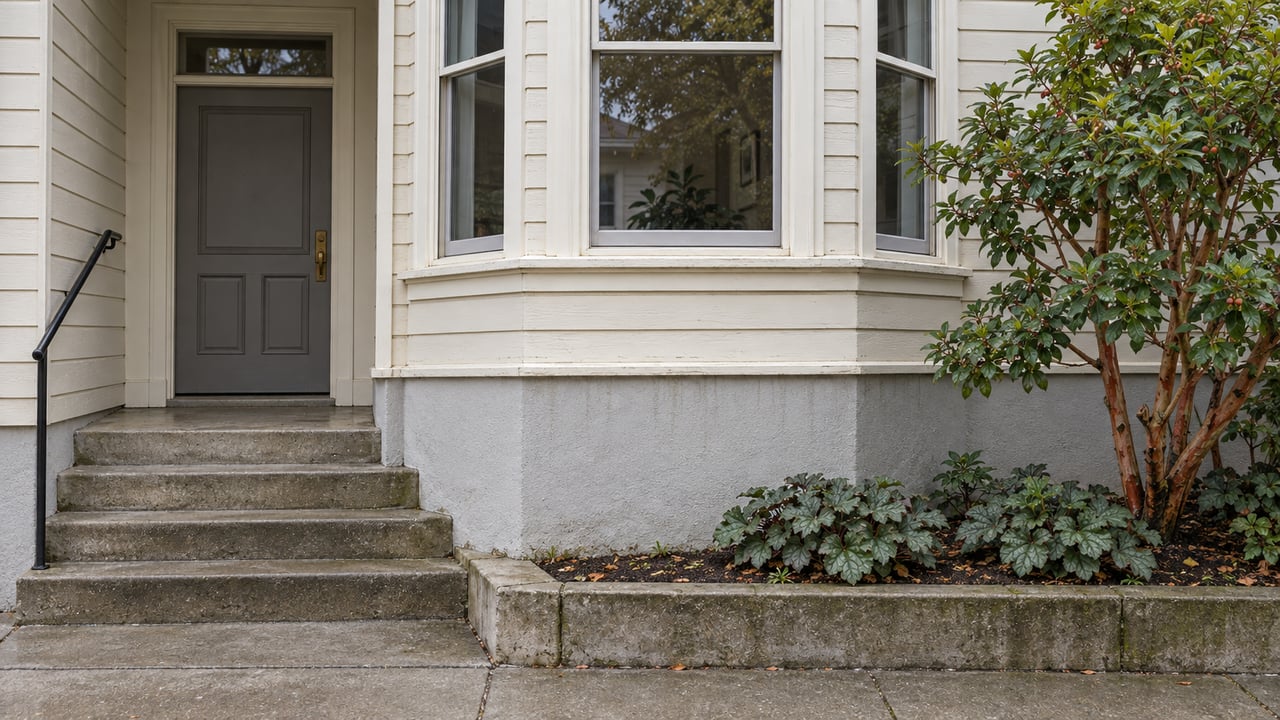
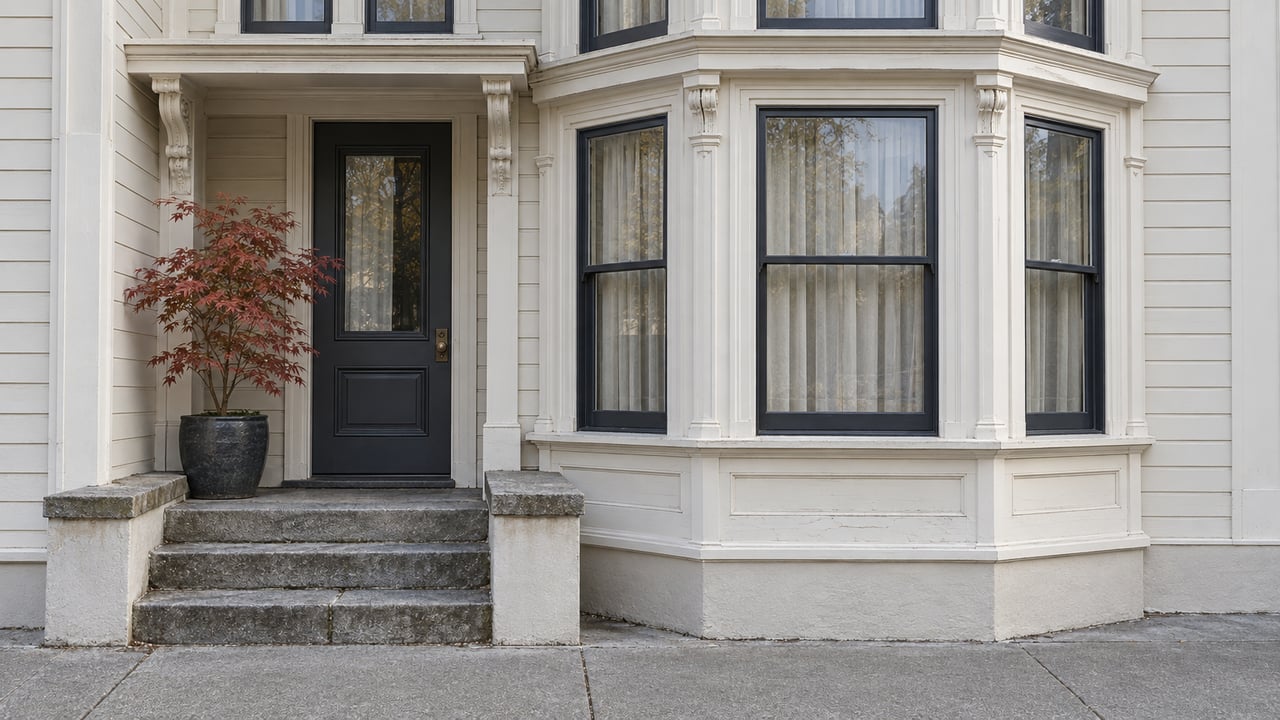
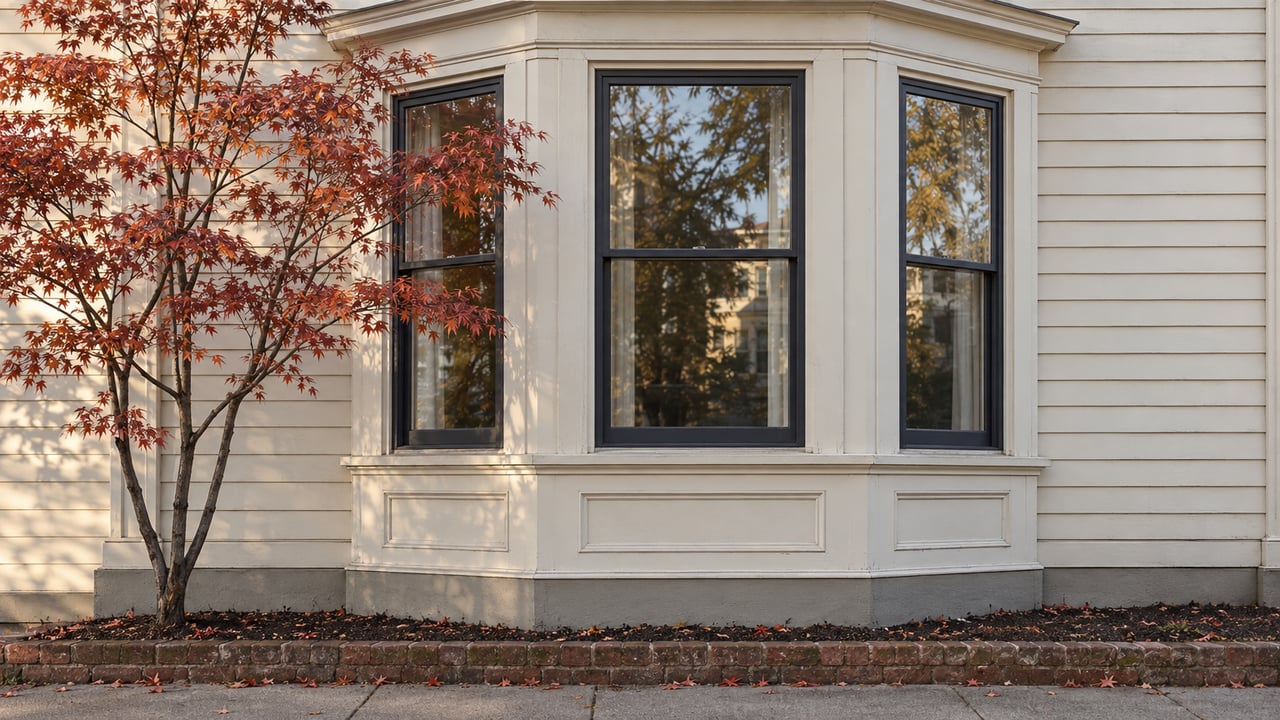
Liberty Hill is compact by design. The Landmark Historic District, designated by the city in 1972, covers roughly ten blocks bounded by 20th, Mission, Dolores, and 22nd Streets, encompassing about 298 parcels of largely intact 19th-century housing. It exists in this form because the fires that followed the 1906 earthquake were stopped at 20th Street, so this pocket of San Francisco kept its Italianate, Stick, and Queen Anne buildings while much of the city rebuilt from scratch. Two of those buildings, the Marsden Kershaw House at 845 Guerrero and the John McMullen House at 827 Guerrero, carry individual city landmark status on top of the district designation.
That density of protected fabric is exactly why San Francisco's Article 10 rules apply here with unusual force. The San Francisco Planning Department’s Historic Preservation FAQs say that any building inside an Article 10 Historic District needs a Certificate of Appropriateness, or its lighter-weight cousin the Administrative Certificate of Appropriateness, before exterior work that would normally need only a standard building permit can proceed. Ordinary maintenance and in-kind repairs are generally exempt. Nearly everything else, from a new window to a rebuilt stair, is not.
For an owner planning to stay for another decade, that review is a planning consideration. For an owner planning to sell, it is a closing-timeline consideration to address in the disclosure packet.
Comparing Liberty Hill sales
Recent Liberty Hill sales illustrate the range of outcomes. In April 2026, a landmark home at 151-153 Liberty Street, a legally multi-family building of roughly 4,931 square feet, closed at $9.95 million. Compare that to 24 Hill Street, an Italianate Victorian renovated to the studs in 2007 with a standalone two-bedroom cottage, which sold for $3.325 million. Both are Liberty Hill addresses. Both are historic-district product. The gap between them is not size alone, it is permitted condition: whether the renovation that created today's finishes actually closed out its Certificate of Appropriateness, or whether that history is still an open question for the next buyer to inherit.
367 Liberty Street shows what it looks like when a renovation's paper trail does not hold up. That listing went to market explicitly as an AS-IS sale, with disclosure materials flagging construction defects tied to a 2019 unit expansion and renovation. In a district where exterior work of that scope should have gone through Certificate of Appropriateness review, a buyer's first question is often whether what got built matches what the file says was approved, and what it costs, in time and money, to close that gap if it does not.
The certificate is not attached to the person who filed for it. It is attached to the address.
That single fact reframes what "market ready" means in this district. Staging and photography matter everywhere in San Francisco. Here, so does a clean permit file.
| Metric | Figure | Period |
|---|---|---|
| Recent closed sale, Liberty Street | $9.95 million (multi-family, ~4,931 sq ft) | April 2026 |
| Recent closed sale, Hill Street | $3.325 million (2007 studs-out renovation) | 2023 |
The incentive side of the same rule
The Article 10 designation that creates the review burden also creates a genuine financial lever most sellers never think to mention: the Mills Act. The San Francisco Planning Department describes Mills Act tax savings as an exchange for a long-term commitment to care for a historic resource in accordance with the Secretary of the Interior's Standards. The Department's program overview says that, under a Mills Act historical property contract, an owner agrees to maintain and restore a qualifying historic property in exchange for a reduced property tax assessment for a term of ten years that self-renews annually. The San Francisco Planning Department’s Mills Act application guide lists contributing buildings within an Article 10 landmark district, which includes most of Liberty Hill, as qualifying properties. Applications go through the Planning Department.
If a seller already holds a Mills Act contract, that is not a footnote. It is a lower carrying cost, and it belongs in the listing narrative right alongside square footage and bay windows. If a seller does not hold one, understanding whether the house would even qualify is worth a conversation before pricing, since it changes what a buyer's true holding cost looks like.
What this means before you list
None of this is a reason to avoid selling in Liberty Hill. It is a reason to start the permit conversation earlier than most sellers expect to. Before a listing goes live, it is worth pulling the property's permit history and checking it against what the Historic Preservation Commission actually approved for any past exterior work. If a Certificate of Appropriateness or Administrative Certificate of Appropriateness is missing for a deck, an addition, a window replacement, or anything else visible from the street, that gap will surface during due diligence whether it is addressed upfront or not. Addressing it upfront lets the seller bring it into the due-diligence discussion.
Liberty Hill sales can vary widely from one property to another. What can vary from deal to deal is how a clean or messy permit file affects the escrow timeline and a buyer's negotiating position.
A few common questions
Does every exterior change in Liberty Hill require a public hearing? No. Minor alterations can often be handled through an Administrative Certificate of Appropriateness, reviewed at the staff level without a Historic Preservation Commission hearing. Larger or more visible changes, like the deck and fire wall project at 73-75 Fair Oaks Street, go through the full Certificate of Appropriateness process with public notice.
Can I sell a Liberty Hill home if a past renovation was never signed off? Yes. The AS-IS sale at 367 Liberty Street shows how that plays out in practice: the seller disclosed the construction defects tied to the 2019 renovation, and pricing and negotiation reflected that risk. Selling with an open item is possible. Selling without disclosing it is not advisable and is not how this district's recent sales have handled it.
Is a Mills Act contract worth asking about before I list? It is worth confirming either way. If one does not exist, understanding whether the property would qualify tells you something concrete about the total cost of ownership a buyer is weighing.
Selling inside a historic district is not harder than selling anywhere else in central San Francisco. It is different in specific, knowable ways, and those ways show up in the permit file long before they show up in an offer. If you are weighing a sale in Liberty Hill or the surrounding blocks of Dolores Heights and want a straight read on where your property's paperwork actually stands, On The Right Paige is a good place to start that conversation. Let's Connect.
This article is general information, not legal, tax or financial advice. Consult a qualified professional about your situation.