Wondering how to sell a historic home without losing the details that make it special? If you own a home in Dolores Heights or Liberty Hill, you are not just preparing a property for market. You are also navigating local rules, architectural character, and buyer expectations that can shape price, timing, and presentation. This guide will help you understand what matters most before you list, so you can make informed decisions and move forward with confidence. Let’s dive in.
Why Dolores Heights and Liberty Hill Differ
At first glance, these neighboring areas may seem to follow the same playbook. Both have older homes, strong visual character, and a sense of San Francisco history. But from a seller’s perspective, they are not governed the same way.
Liberty Hill is a designated historic district
Liberty Hill is an Article 10 Historic District in San Francisco, generally bounded by 20th Street, Mission Street, Dolores Street, and 22nd Street. San Francisco Planning describes it as an intact example of 19th-century middle-class housing, with 293 buildings across ten blocks. That designation means preservation review can play a larger role when changes to a property are involved.
For you as a seller, this often shapes the conversation around architectural integrity. Buyers may pay close attention to whether key exterior features still reflect the district’s period character. It also means past alterations may deserve closer review before your home goes on the market.
Dolores Heights follows a different framework
Dolores Heights is not presented by San Francisco Planning as an Article 10 historic district. Instead, it is a Special Use District under Planning Code Section 241, created to preserve view corridors, planted spaces, existing buildings, and neighborhood scale.
The code includes standards that affect development patterns, including a minimum rear yard depth of 45 percent of lot depth, a 25-foot minimum rear yard, and a 35-foot maximum building height above existing grade. San Francisco’s General Plan also describes Dolores Heights as a hillside neighborhood with uniform scale, abundant landscaping, and stepped-down rooflines.
Why this matters when you sell
In Liberty Hill, the value story often centers on historic district context and character-defining details. In Dolores Heights, buyers are often just as focused on how the home fits the site, preserves open space, and responds to the slope.
That difference can affect how your home is marketed, what documents buyers ask for, and which upgrades need more explanation. Even if a home is not formally designated, older buildings in either area may still be treated as historical resources under CEQA when permit applications are filed.
What to Verify Before Listing
Before you think about staging or photography, it helps to gather the right property records. A clean, organized file can make your listing stronger and reduce surprises during escrow.
Start with permit and status records
San Francisco Planning says sellers should review permit history, any historic-status entries in the SF Property Information Map, and any Certificates of Appropriateness or other approvals tied to prior work. Technical Specialists can advise on current status, and CEQA review is triggered by permit applications rather than ownership alone.
This matters because buyers often want clarity. If a garage was added, windows were replaced, or an addition was built, they may ask whether that work was approved and whether it aligns with current planning rules.
Pay close attention to windows, garages, and additions
These are common pressure points in older San Francisco homes. According to SF Planning, replacing windows requires a building permit on every building in San Francisco, with added review when the replacements are visible from the street or another public right-of-way.
Garages and additions can also invite scrutiny. New garage openings are reviewed case by case because they can affect front setbacks, porches, bay windows, and fences. Vertical and horizontal additions must conform to the Residential Design Guidelines, and known historic resources must also meet the Secretary of the Interior’s Standards and any applicable Article 10 requirements.
Know when cosmetic work may matter
Sellers sometimes assume cosmetic updates are simple. In many cases they are, but not always.
SF Planning says it does not generally regulate paint color. However, unpainted masonry buildings in Article 10 historic districts may need a permit to be painted or stuccoed. If your home falls into that category, it is worth checking before making last-minute exterior changes.
Disclosures to Prepare Early
Strong preparation is not just about aesthetics. It is also about delivering complete, timely disclosures.
California disclosures still apply
California’s standard residential disclosure requirements remain part of the process. Based on the research provided, these include:
- Transfer Disclosure Statement under Civil Code 1102.3
- Natural Hazard Disclosure under Civil Code 1103
- Water-conserving plumbing fixture compliance disclosure under Civil Code 1101.4
- Disclosure of contractor-performed additions, structural modifications, alterations, or repairs completed within the prior 18 months under Civil Code 1102.6h, including contractor names and contact information when applicable
If you have completed recent work, gathering those records in advance can save time later.
Pre-1978 homes need lead-based paint disclosures
If your home was built before 1978, federal law requires disclosure of known lead-based paint and lead-based paint hazards before the contract is signed. The required package also includes the lead warning statement, the EPA pamphlet, and a 10-day buyer opportunity to inspect for lead hazards.
This is especially relevant in neighborhoods with older housing stock. If you already have reports or documentation, keep them handy so the process stays smooth.
What Buyers Notice in Historic Homes
Buyers do not just see square footage and finishes. In these neighborhoods, they often read a home through the lens of architecture, context, and authenticity.
Liberty Hill buyers often focus on preserved period details
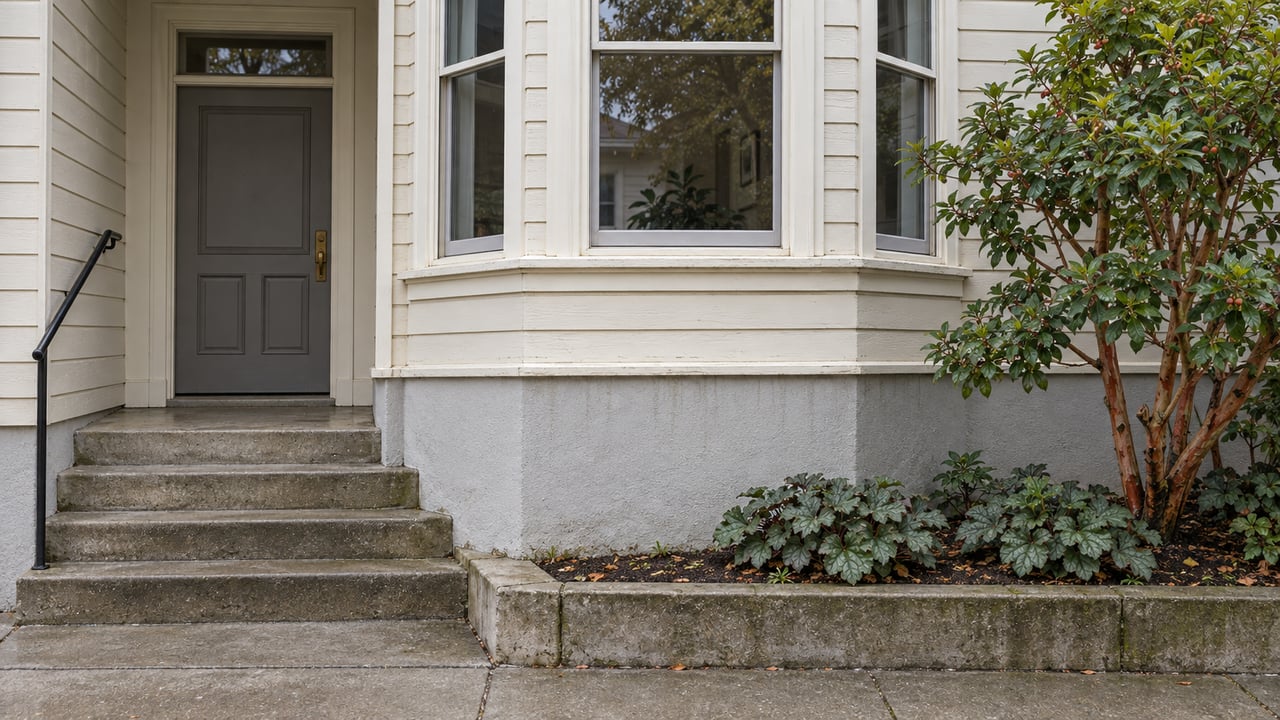
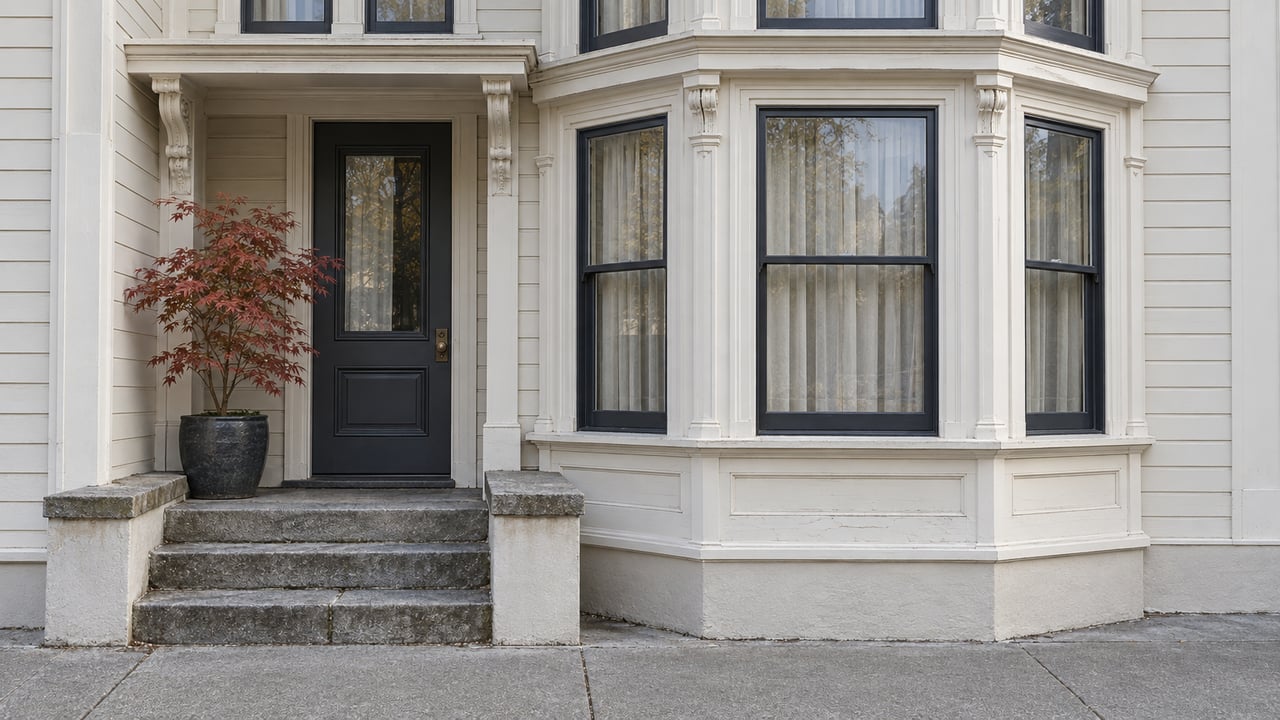
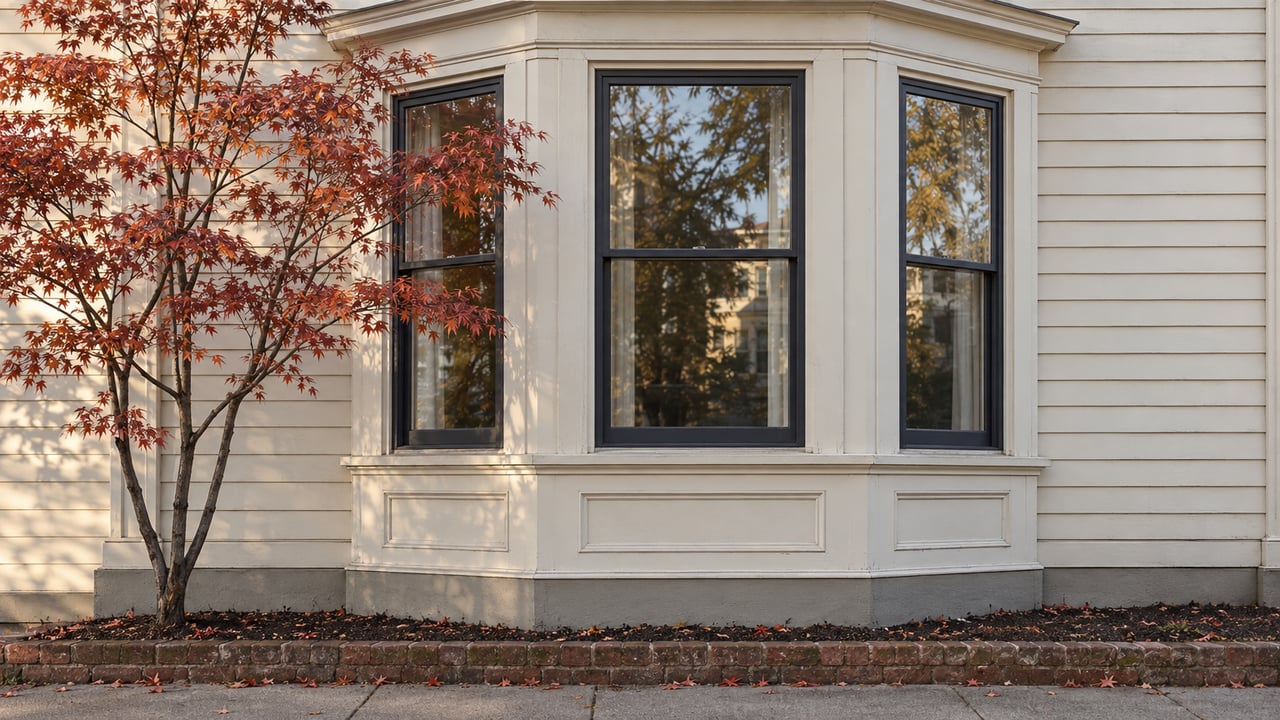
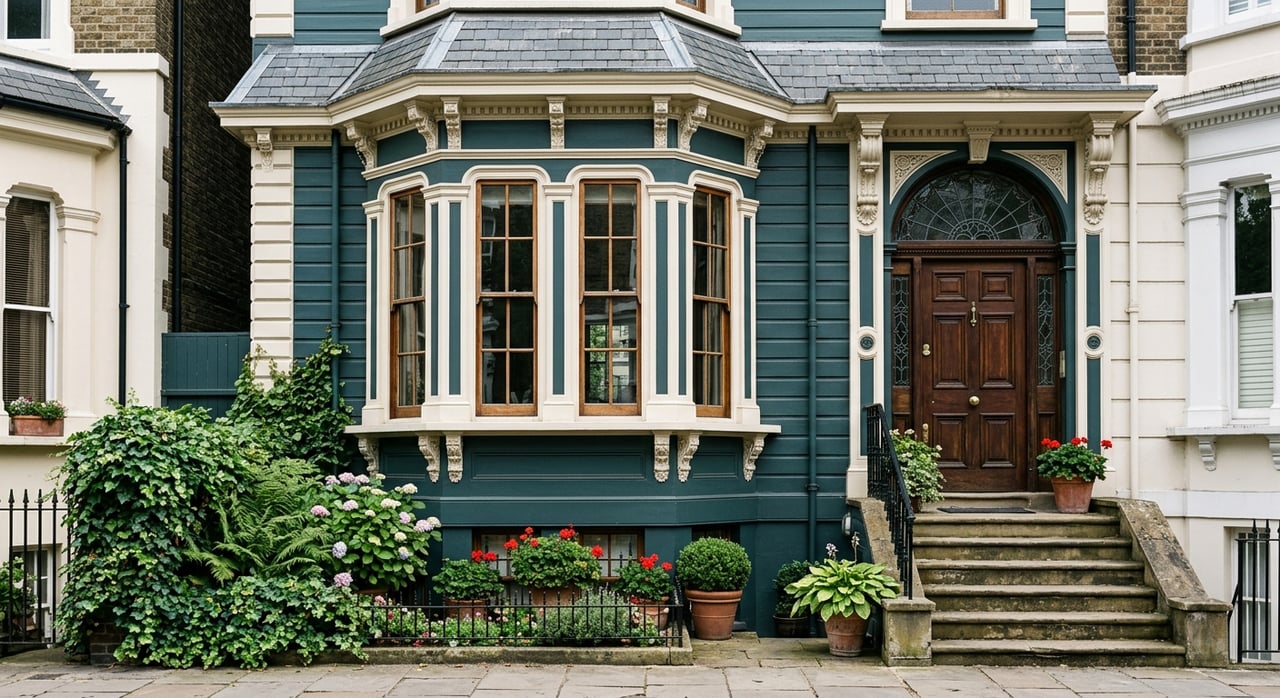
In Liberty Hill, character-defining features include late-19th-century Victorian residences, consistency of scale and proportion, raised entries, tall narrow wood-sash windows, decorative window hoods, millwork, and landscaped front setbacks.
Many buyers see those details as proof that a home still feels true to its period and to the district. San Francisco Planning’s review of a garage proposal in Liberty Hill also shows how closely compatibility can matter. In that case, staff viewed an oversized front-setback garage opening and faux-historic elements as less compatible than a simpler and more transparent alternative.
Dolores Heights buyers often focus on site and setting
In Dolores Heights, the conversation is often broader than ornament. Buyers may notice whether the home respects hillside conditions, preserves light and openness, and keeps additions or garages subordinate to the original structure.
Because the area emphasizes view corridors, open space, and compatibility with the slope, those elements can shape first impressions in a big way. A home that feels well-sited and visually balanced may connect more strongly with the neighborhood’s identity.
How to Stage a Historic Home Well
The goal is not to turn a historic home into something it is not. The goal is to present it clearly, cleanly, and in a way that lets its original strengths lead.
Expose the details buyers came to see
In these neighborhoods, features like stairways, porches, bay windows, sash windows, millwork, and landscaped setbacks are part of the value story. Good staging should help those elements stand out rather than compete with them.
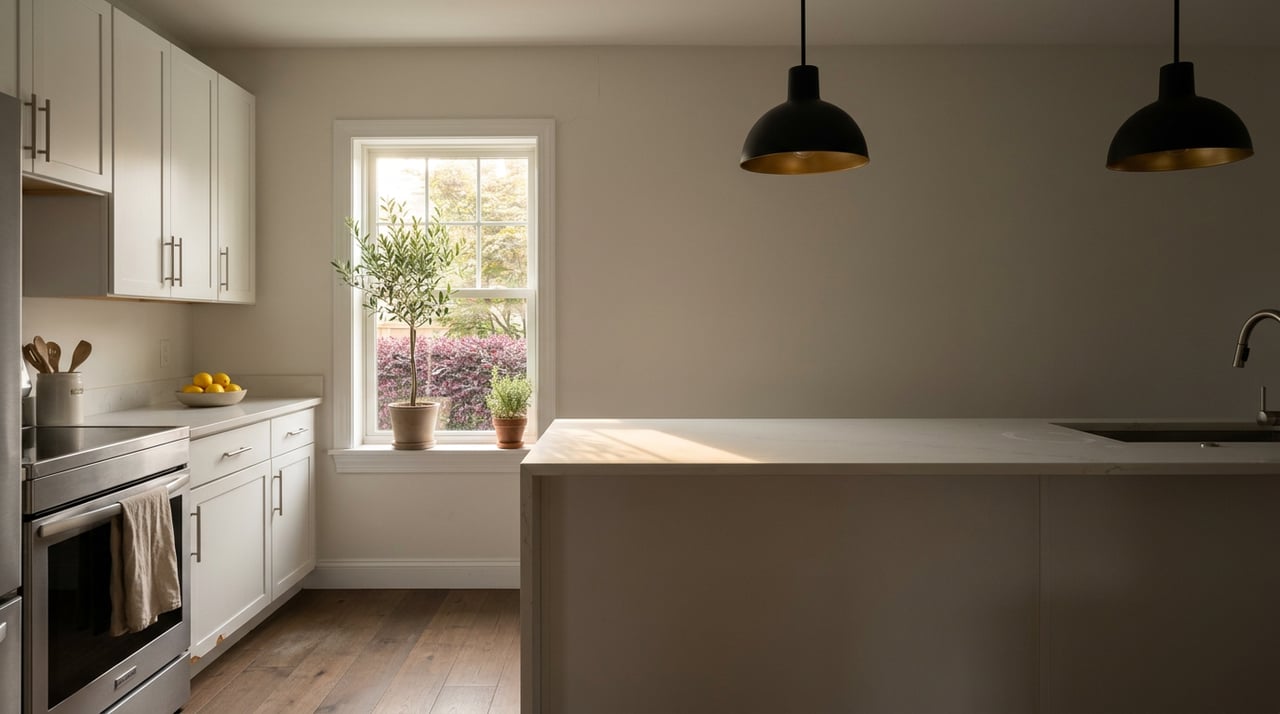
That usually means lighter styling, fewer visual distractions, and furniture placement that supports the architecture. If a room has original trim or a strong window line, let that be the focal point.
Keep updates restrained
A quick refresh can help, but it should respect the building’s character. Clean surfaces, careful maintenance, and preservation-minded choices tend to read better than trendy finishes that flatten older details.
SF Planning also encourages repairing windows rather than replacing them when possible. For sellers, that is a useful reminder that preservation and presentation often work best together.
Do not overlook the exterior
Exterior presentation matters just as much as interior styling. San Francisco’s General Plan notes that exposed parking can be visually disruptive and recommends placing parking beneath or behind buildings, or screening it from view.
That means front-yard clutter, oversized vehicles, and visually dominant garage elements can distract from the home itself. In hillside settings especially, a clean and orderly exterior helps buyers focus on the architecture and site.
A Simple Seller Checklist
If you are preparing to list a home in Dolores Heights or Liberty Hill, this is a practical place to start:
- Pull permit history
- Review historic-status information in the SF Property Information Map
- Gather any Certificates of Appropriateness or related approvals
- Organize approved plans, invoices, and contractor information
- Review recent work completed in the past 18 months
- Confirm which features are original, repaired, or replaced
- Prepare standard California disclosure forms
- Prepare lead-based paint disclosures if the home was built before 1978
- Plan staging around architectural features and exterior presentation
A well-prepared seller file can make your listing feel more credible and easier to evaluate.
Selling Strategy Matters Here
Historic and character-rich homes rarely benefit from a generic listing approach. In Dolores Heights and Liberty Hill, buyers often respond best to thoughtful preparation, strong visual storytelling, and clear documentation.
That is where local experience can make a real difference. When your marketing reflects the home’s architectural details, neighborhood context, and planning realities, you are better positioned to attract serious buyers and support a smoother transaction.
If you are thinking about selling a historic or older home in this part of San Francisco, working with an agent who understands both presentation and local nuance can help you protect value and avoid unnecessary friction. When you are ready for tailored guidance, connect with Paige Gienger.
FAQs
What is the difference between Liberty Hill and Dolores Heights when selling a home?
- Liberty Hill is an Article 10 Historic District with formal historic district review considerations, while Dolores Heights is a Special Use District focused on view corridors, open space, existing buildings, and neighborhood scale.
Can a Dolores Heights or Liberty Hill home be historic without formal designation?
- Yes. San Francisco Planning notes that a lack of formal designation does not necessarily mean a property is not historic or historically significant, and older homes may still be treated as historical resources under CEQA when permits are sought.
Do you need permits to replace windows in a historic San Francisco home?
- Yes. SF Planning says window replacement requires a building permit on every building in San Francisco, with additional review for replacements visible from the street or another public right-of-way.
Can you add a garage or addition to a Liberty Hill or Dolores Heights home?
- Possibly, but it is reviewed case by case and must comply with applicable planning and design standards, including compatibility with the home and surrounding context.
Does historic designation change property taxes for a San Francisco home?
- Not by itself. SF Planning says designation alone does not affect property taxes unless there is an active Mills Act contract, which may provide a potential tax reduction for qualified historic properties in exchange for preservation commitments.
What documents should sellers keep for a historic home sale in San Francisco?
- Sellers should keep permits, approved plans, any COA or ACOA documents, invoices, contractor contacts for recent work, and disclosure materials related to lead paint, water fixtures, and natural hazards.
Can you remodel the interior of a historic home in Liberty Hill?
- Usually yes. SF Planning encourages retention of historic interior features when possible, but historic interiors are not specifically designated under Article 10.
What should sellers highlight when marketing a historic home in Dolores Heights or Liberty Hill?
- Sellers should highlight architectural details, period features, landscaped setbacks, and in Dolores Heights especially, the home’s relationship to the slope, light, open space, and view-sensitive siting.