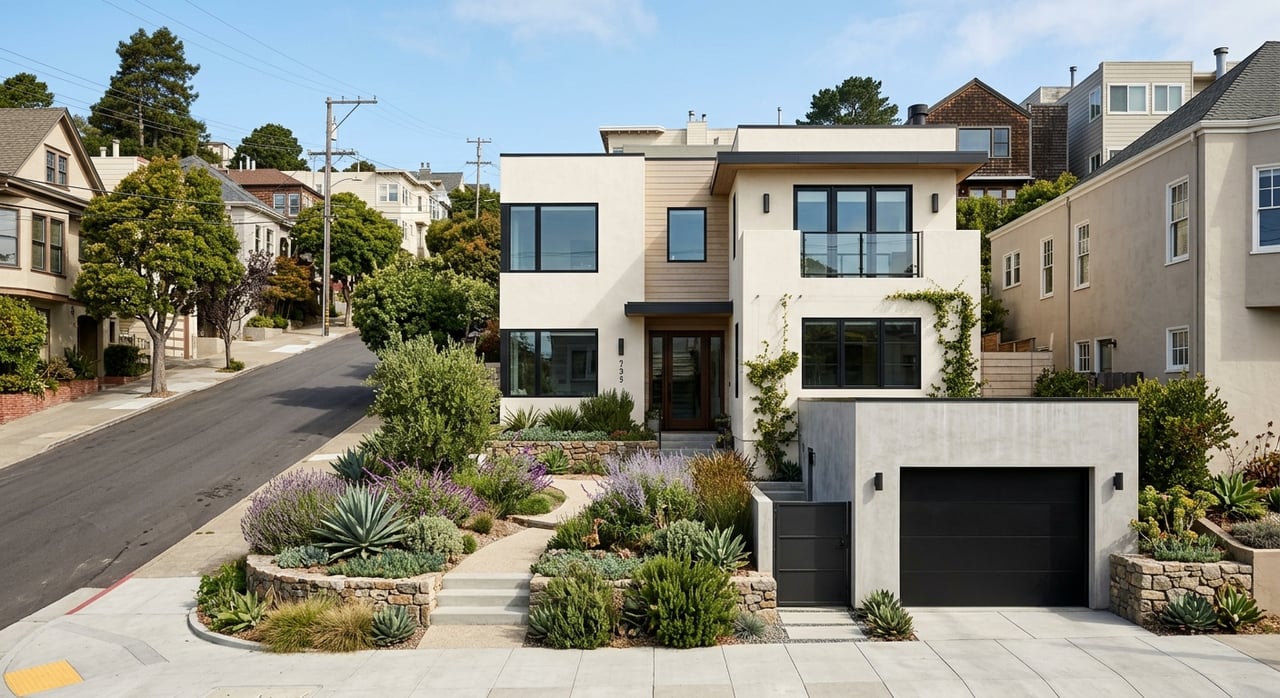
Buying your first home in San Francisco can feel like aiming at a moving target. Prices are high, competition is real, and every neighborhood has its own rhythm. If you are considering Portola or University Mound, the good news is that both areas can offer a more approachable entry point than many other parts of the city. This guide will help you understand pricing, housing stock, competition, commute patterns, and what to expect when you make an offer. Let’s dive in.
Why First-Time Buyers Look Here
Portola and University Mound sit below San Francisco’s current citywide median sale price of about $1.7 million, based on Redfin market data. That alone puts them on the radar for many first-time buyers who want a San Francisco address but need to stay realistic about budget.
That said, “more approachable” does not mean easy. Both neighborhoods are described as highly competitive, with homes often selling above list price. If you are serious about buying here, it helps to understand what your budget may actually buy and how quickly you may need to act.
Portola at a Glance
Portola housing character
Portola reads as a residential neighborhood with a strong single-family-home presence. San Francisco Planning materials describe nearby development in one-family zoning areas as mostly two-story single-family homes, and broader historic context notes that perimeter neighborhoods shaped by streetcar-era suburbanization often developed with larger lots and more setbacks.
For a first-time buyer, that can translate to a neighborhood feel that is less about dense new development and more about existing homes with varied condition, layout, and update level. SF Planning’s 2024 housing inventory also showed only 4 units completed from new construction in Portola and a net gain of 7 units, which points to limited new supply.
Portola prices and pace
Redfin reports a Portola median sale price of $1,259,576 and a median price per square foot of $723. Homes average 16 days on market, and the reported sale-to-list ratio is 117.0%, which signals strong buyer demand.
The recent sales range is especially useful for first-time buyers. Reported Portola sales included a 3-bedroom, 1-bath, 750-square-foot home at $720,000 and other sales at $890,000, $999,888, $1,365,000, $1,575,000, and $1,660,000. In practical terms, smaller homes or homes needing updates may offer a lower entry point, while larger or more renovated homes can move well into the mid-$1 million range.
Portola daily life and transit
Portola’s main retail corridor is San Bruno Avenue, according to San Francisco Planning. That tends to create more of a neighborhood-corridor experience for everyday shopping and services rather than a dense, all-in-one downtown feel.
Transit is largely bus-based. SFMTA lists routes including the 8 Bayshore, 8AX Bayshore A Express, 9 San Bruno, 9R San Bruno Rapid, and 54 Felton as relevant to the area. For many buyers, that means your daily routine may be bus-first, with BART access often reached by transfer rather than by a station inside the neighborhood.
University Mound at a Glance
University Mound housing character
University Mound is described in San Francisco Planning materials as a predominantly residential pocket composed of single-family homes built in the 1950s and 1960s. The area is centered visually around the University Mound Reservoir, which gives it a distinct identity within the broader area.
For first-time buyers, this can mean a quieter residential setting with a housing stock that is more consistent in type than in some other parts of San Francisco. Like Portola, it is not a dense mixed-use district, so your home search here is often more about finding the right house than choosing among many new or large-scale projects.
University Mound prices and competition
Redfin reports a University Mound median sale price of $1,467,506 and a median price per square foot of $940. Homes average 13 days on market, with a 122.8% sale-to-list ratio. Redfin also reports that 99.8% of homes sell above list price, which is a strong sign of competitive bidding.
Even so, the listing and sales ranges show that entry points can still exist. Current listing examples included a 3-bedroom, 1-bath Victorian at $717,000, a 4-bedroom, 2-bath home at $849,000, and a 3-bedroom, 3-bath home at $975,000. Recent sales ranged from a 2-bedroom, 1-bath, 700-square-foot home at $550,000 to a 3-bedroom, 2.5-bath, 2,802-square-foot home at $1,800,000.
University Mound daily logistics
University Mound shares a similar transit story with Portola because it sits in the broader Portola area and relies on the same east-side bus corridors. If you are comparing it with neighborhoods that have direct rail stations, that is an important lifestyle factor to weigh early.
In everyday terms, you may trade some transit convenience for a more residential setting and potentially a lower entry point than many other San Francisco neighborhoods. Whether that works for you depends on your commute, driving habits, and how often you want nearby retail concentrated in one place.
Portola vs. University Mound
For many first-time buyers, the choice comes down to budget, housing style, and pace. Portola appears to be the more entry-level option overall, with a lower median sale price and lower price per square foot.
University Mound, on the other hand, currently trades at a higher price per square foot and shows even stronger signs of bidding competition. If you are choosing between the two, it helps to look beyond list price and focus on likely final price, condition, and your comfort with the neighborhood’s transit setup.
| Factor | Portola | University Mound |
|---|---|---|
| Median sale price | $1,259,576 | $1,467,506 |
| Median price per sq. ft. | $723 | $940 |
| Avg. days on market | 16 | 13 |
| Sale-to-list ratio | 117.0% | 122.8% |
| Housing feel | Single-family, residential | Single-family, residential |
| Transit pattern | Bus-first | Bus-first |
What First-Time Buyers Should Budget For
In neighborhoods like these, your down payment is only part of the picture. You also need room for your initial deposit, inspections, closing costs, and possible repairs or updates after closing.
California Department of Real Estate guidance says buyers generally have 3 days to get the deposit to escrow, 7 days to complete the loan application and verify funds, and 17 days to inspect and investigate. That timeline is fast. It rewards buyers who prepare funds, paperwork, and decision-making criteria before they write an offer.
You should also remember that closing costs often include more than loan fees. DRE explains that escrow is handled by a neutral third party, title provides protection against unknown title defects, and in Northern California escrow is often handled by a title insurance company licensed by the Department of Insurance. Closing costs may also include the first year’s homeowners insurance premium and initial escrow or impound deposits for property taxes and insurance.
How To Compete Without Losing Your Nerve
First-time buyers often assume they need to waive every protection to win in a competitive market. That is not always the right move. A better approach is to get clear on your limits before you fall in love with a home.
Start with a strong pre-approval and proof of funds for your deposit. DRE guidance also makes clear that contingency removals must be in writing, so you should understand each timeline and obligation before agreeing to shorten or remove protections.
A practical plan may include these steps:
- Get fully pre-approved before touring seriously
- Set a true all-in budget, not just a target purchase price
- Reserve funds for inspections, closing costs, and possible repairs
- Review disclosure packages quickly when available
- Decide in advance which contingencies you can safely keep
- Be ready to respond quickly to counters
What Escrow Looks Like In California
Once your offer is accepted, the process tends to move quickly. According to DRE, sellers generally have 7 days to deliver disclosures, and buyers generally have 17 days to inspect and investigate unless the contract sets different terms.
You also typically have the right to a final inspection within 5 days before closing to confirm the property’s condition and check any agreed repairs. For a first-time buyer, this period can feel intense, but it becomes more manageable when you know the sequence and have support keeping deadlines on track.
A Smart Way To Search These Neighborhoods
Because Portola and University Mound are competitive and have limited new supply, the best home may not be the most polished or the most obvious. In many cases, value comes from understanding the difference between a smaller home with upside, a move-in-ready home priced for bidding, and a house whose layout or condition may affect financing or renovation plans.
That is where neighborhood context matters. A high-touch, local search strategy can help you compare list price to likely closing price, understand what is normal for the block and housing type, and move with more confidence when the right property appears.
If you are exploring your first purchase in Portola or University Mound, working with an experienced local guide can make the process less stressful and more informed. When you are ready to talk through budget, strategy, and neighborhood fit, connect with Paige Gienger for thoughtful, one-on-one guidance.
FAQs
What makes Portola a possible fit for first-time buyers in San Francisco?
- Portola’s median sale price of $1,259,576 is below San Francisco’s citywide median of about $1.7 million, and recent sales show a range from smaller lower-priced homes to larger homes in the mid-$1 million range.
How competitive is University Mound for first-time home buyers?
- University Mound is highly competitive, with Redfin reporting a 122.8% sale-to-list ratio, 13 average days on market, and 99.8% of homes selling above list price.
What kind of homes are common in Portola and University Mound?
- Both areas are primarily residential and known for single-family homes, with Portola showing a mix tied to older neighborhood development patterns and University Mound described as having many homes built in the 1950s and 1960s.
What transit should buyers expect in Portola and University Mound?
- Buyers should expect a bus-first transit pattern, with SFMTA routes such as the 8, 8AX, 9, 9R, and 54 serving the broader area and many BART trips requiring a transfer.
How fast does a California home purchase move after an offer is accepted?
- DRE guidance says buyers generally have 3 days to deliver the deposit, 7 days to complete the loan application and verify funds, 17 days to inspect and investigate, and the right to a final inspection within 5 days before closing.
What closing costs should first-time buyers plan for in these San Francisco neighborhoods?
- In addition to the down payment and deposit, buyers should budget for inspections, title and escrow-related costs, the first year’s homeowners insurance premium, and initial escrow deposits for property taxes and insurance.